

Better output, more time for strategic work.
Get Your Procurement Team Using AI the Right Way in 21 Days
We help procurement teams turn AI into a structured, safe way of working. So you can automate daily tasks and free up time for strategic priorities.







Recognize any of these challenges with AI in procurement?
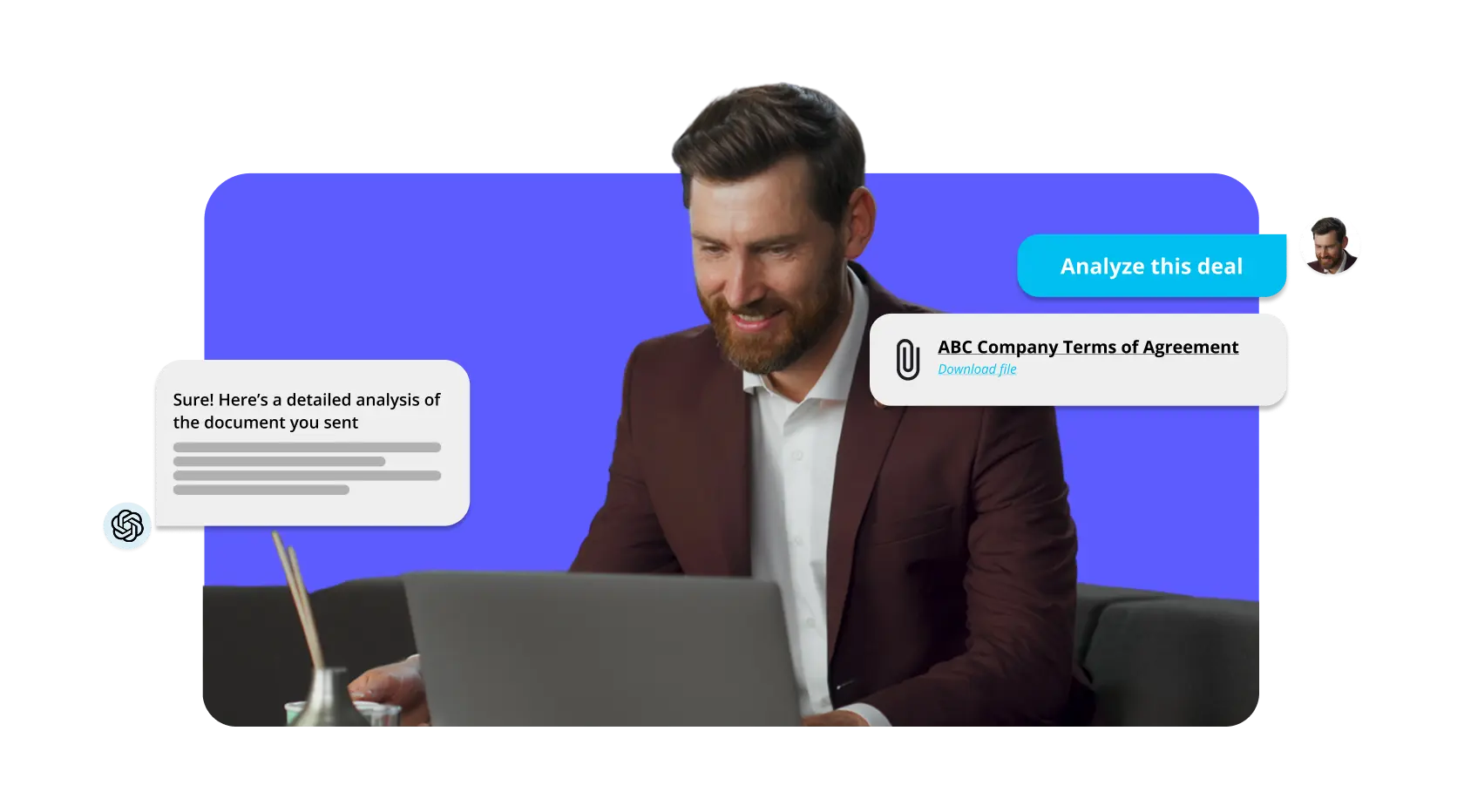
1. There is no consistent way of using AI
AI is already used across the team, but mostly in isolated ways. No one clearly owns how AI is used, which data is involved, or what is expected. That uncertainty makes AI feel risky instead of supportive.
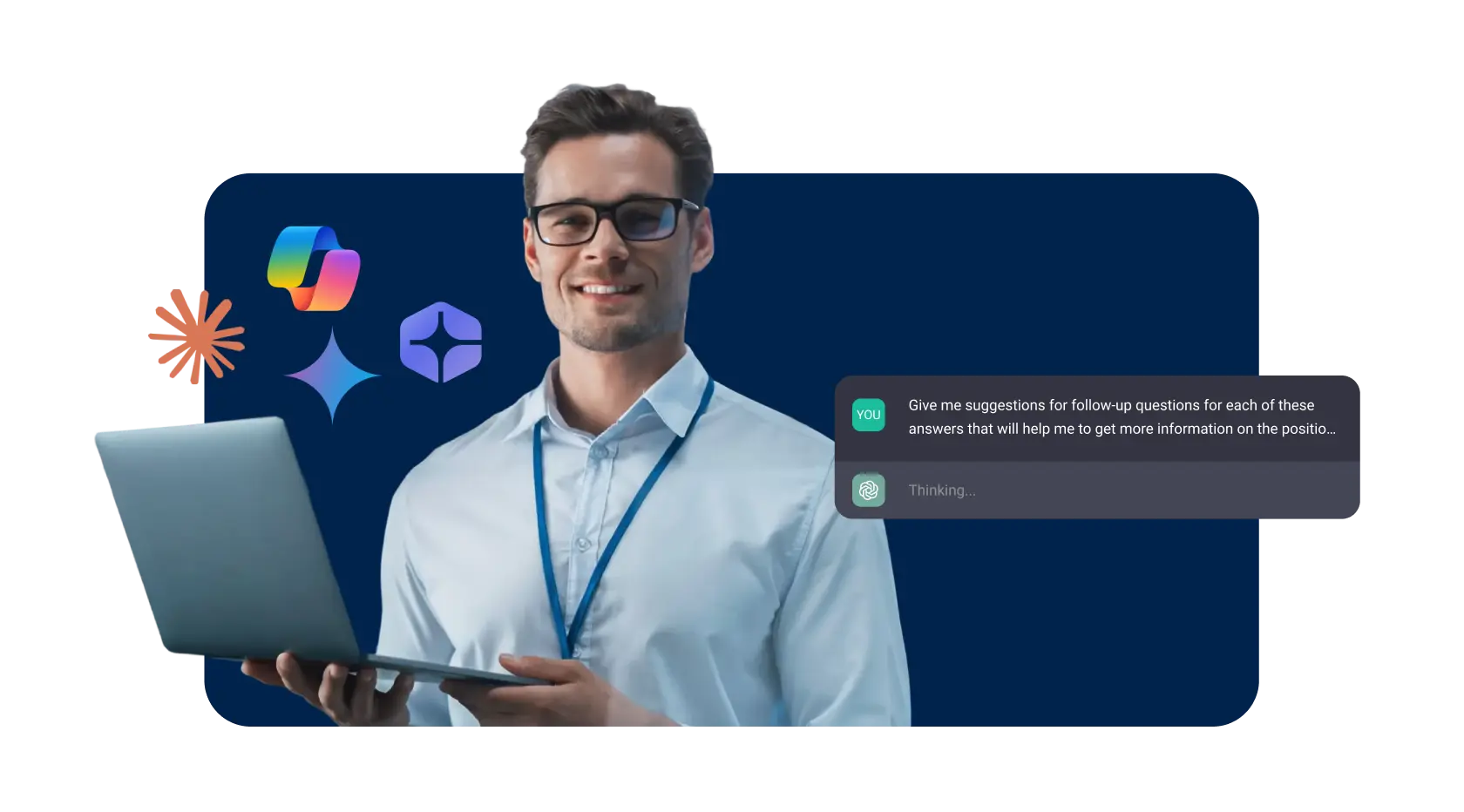
2. Teams aren't using AI in a safe way
AI is used to upload confidential information, yet team members don’t understand how their data is processed, and what they should do to prevent it from becoming public information.
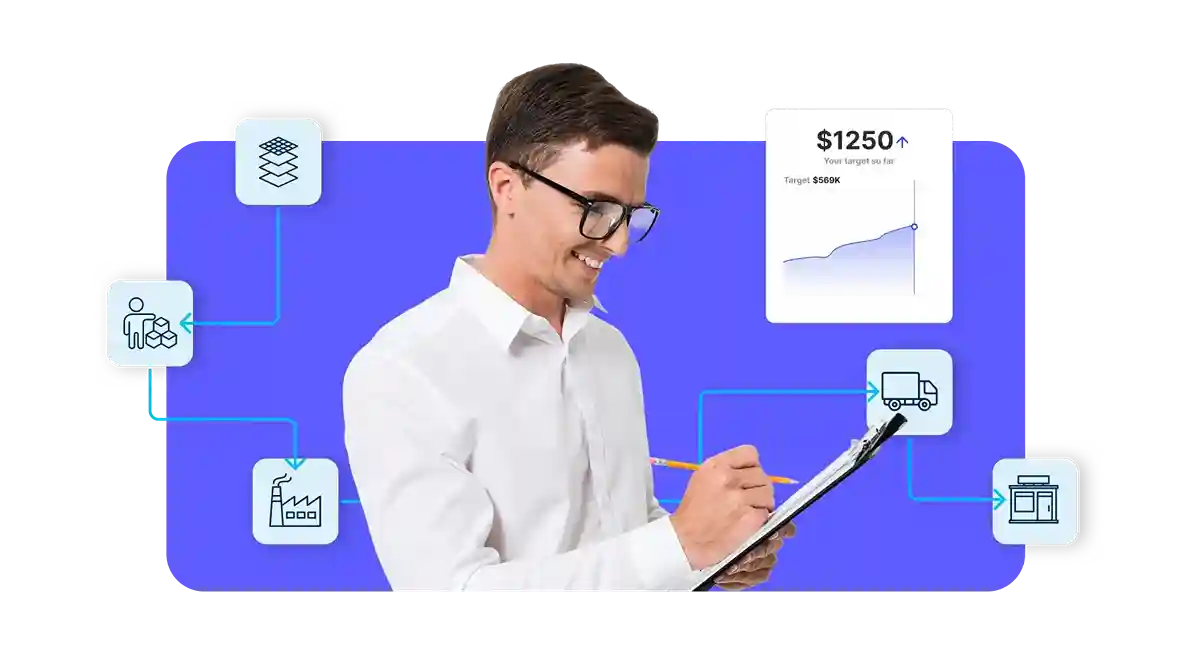
3. Teams lack practical AI procurement capabilities
AI is used for small tasks like writing emails and summarizing files. Without concrete examples and practice, usage stays shallow and inconsistent.
2 drivers of AI excellence in procurement teams
Good prompts create clarity, consistency, and decisions.
Strong AI usage is not about writing emails. It is about negotiation preparation, preparing tenders, and supplier relationship management. You turn real inputs into structured thinking, clear options, and next steps your team can actually use.
The result is higher quality work, less rework, and a shared standard that makes execution easier across the whole team.
What good prompting looks like in procurement
- Output that is noticeably stronger than you expected, and easy to review
- Less time spent prompting because you reach the result faster
- Higher productivity because AI supports a wider range of day to day tasks
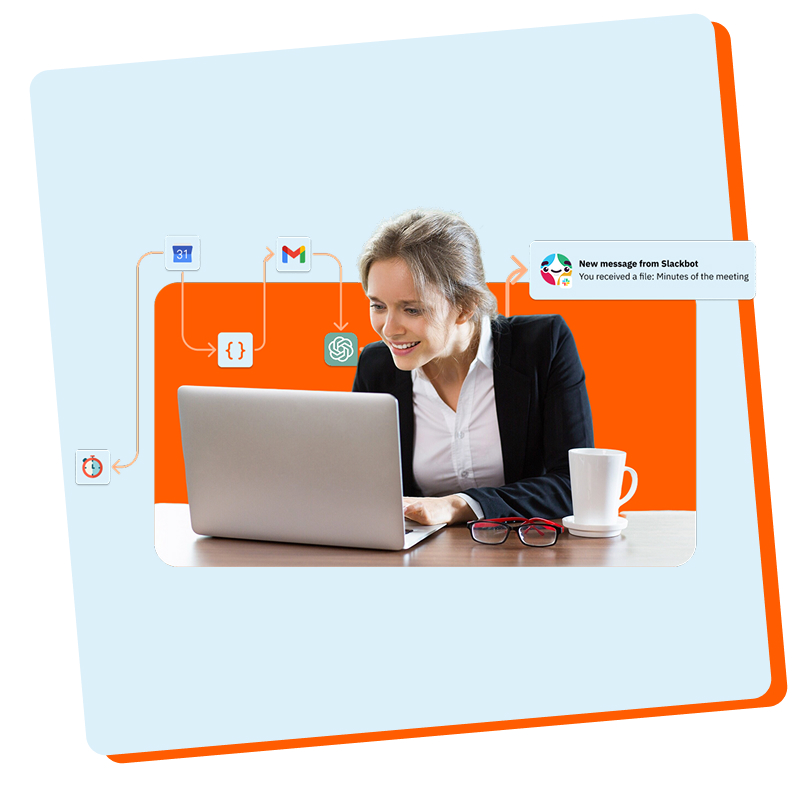
Automation removes friction, so teams get time back.
The biggest win is time. When predictable work is automated, buyers stop spending hours on admin, monitoring, and repeat reporting. That space goes back into preparation, stakeholder alignment, and supplier conversations.
Automation works best when it is simple, low risk, and embedded in the daily process instead of creating parallel workflows.
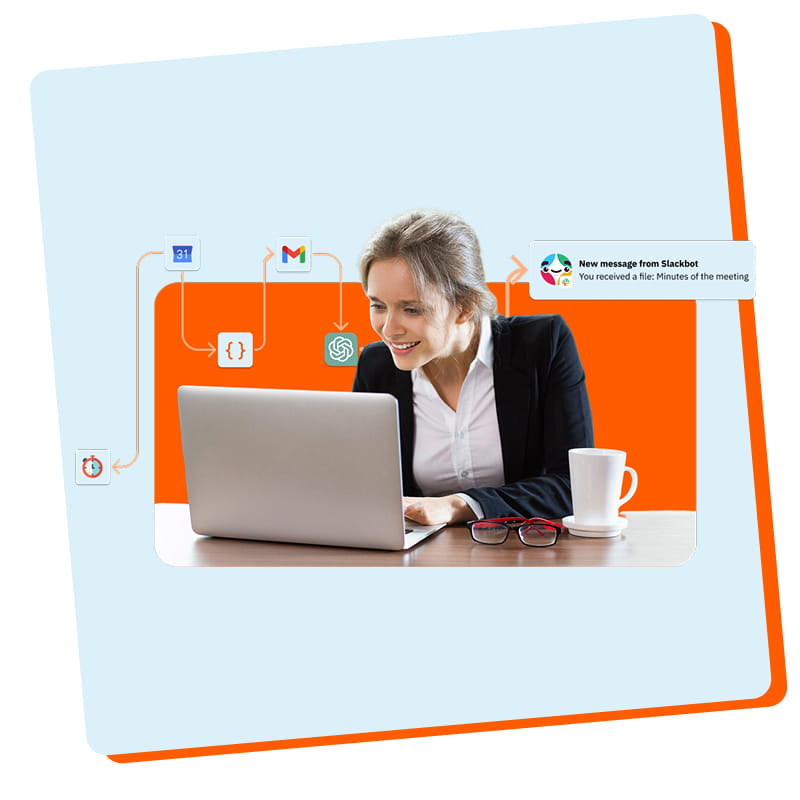
What AI agents looks like in procurement
- No more wasted time on repetitive work
- More time for supplier relations and strategic work
- Clear boundaries on data and tools so AI agents are compliant
How we help procurement teams to effectively use AI

1. Practical AI skills for procurement teams
AI only creates value when buyers know how to use it in real procurement work.
We train procurement teams to use AI as a practical part of their daily work. Not as an experiment, but as a reliable way to prepare negotiations, structure RFx work, and monitor supplier activity.
The focus is on judgement, quality, and consistency. Teams learn when AI helps, when it does not, and how to critically assess the output instead of blindly trusting it.
Prompt engineering is the key for AI success in procurement.
2. Free up time for strategic work with AI agents
Too much time is lost on work that does not require human judgement.
Procurement teams spend a large part of their time on repetitive tasks. Collecting information, updating trackers, preparing recurring reports, following up on emails, or monitoring routine signals.
AI agents take over this predictable work in the background. They run continuously, follow clear rules, and reduce manual effort without creating extra coordination or complexity.
Time shifts from repetitive work to strategic thinking and decision making.
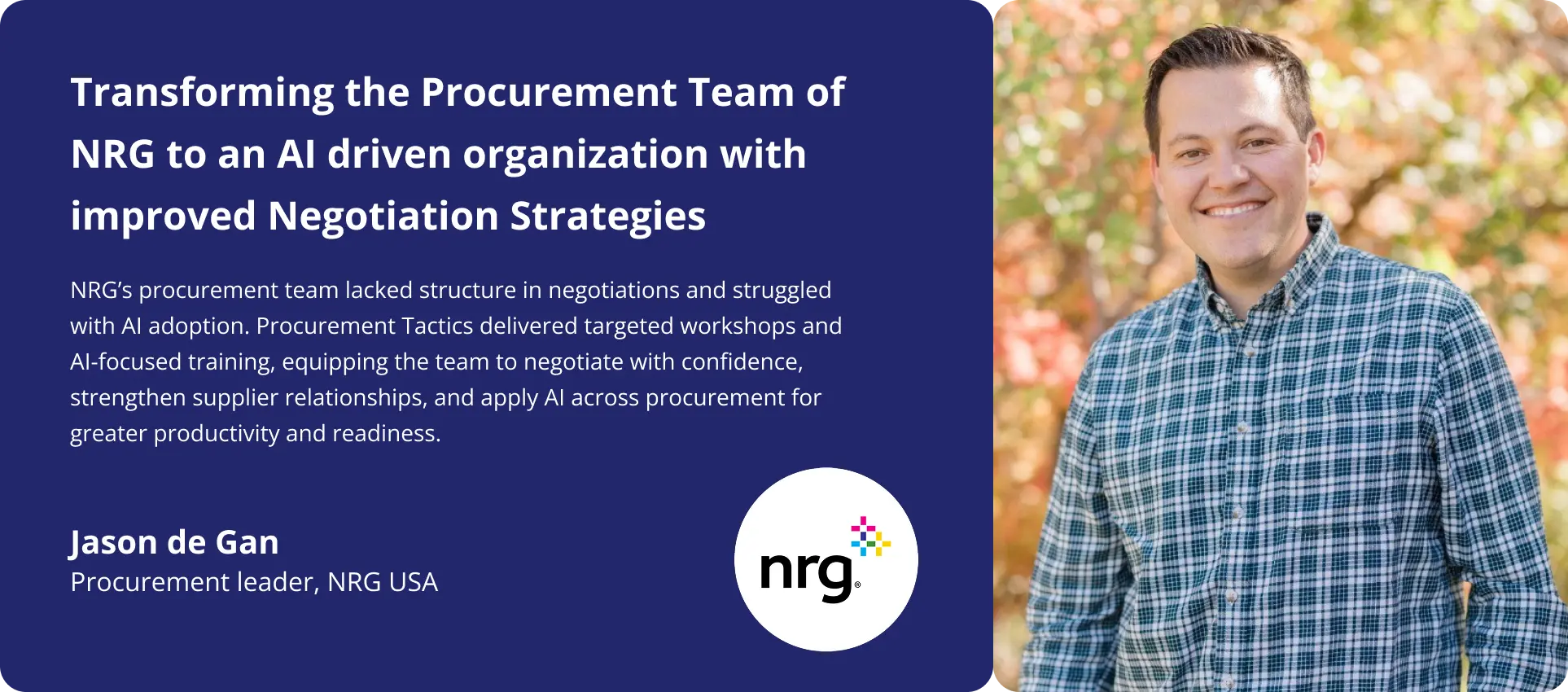
Client Success Stories
Get a Price Quote
Want to understand what it would cost to train your procurement team to use AI in a structured and practical way?
Use this conversation to discuss your team size, current AI maturity, and the type of support you need. We will outline a realistic approach and provide a clear price indication based on your situation.
Click here to grab a slot in my calendar. Talk soon!

Pim Herremans 
SUPPORT
FAQs
Have more questions? Get in touch with one of our sales consultants. Book a demo for further questions.
How is this different from generic AI training?
This is not AI training for general productivity. It is built specifically around procurement work, such as negotiations, RFx processes, supplier monitoring, and stakeholder interaction. The focus is on using AI safely and consistently in real procurement situations, not on learning AI concepts.
Is this relevant if my team already uses Copilot or an internal GPT?
Yes. Most teams already use AI tools, but in an unstructured way. This program focuses on turning individual experimentation into a shared way of working, with clear standards, use cases, and boundaries that work at team level.
Will this actually reduce workload, or just add another initiative?
The goal is to take work off the team’s plate. Teams learn how to apply AI to reduce repetitive work, so buyers spend less time on low-value work and more time on decision-making and strategic topics. If it does not reduce workload, it is not considered a success.
Is this about building AI agents, or just using AI better?
Both, but in the right order. Teams first learn how to use AI properly in daily work. Once that foundation is in place, we help automate predictable, low-risk tasks using AI agents. Agents are introduced only where they make sense and can be controlled.
How do you tailor this to our organization?
There is no fixed template. We start by understanding your current AI usage, team structure, and risk constraints. From there, we scope a practical approach and provide a price quote based on your situation, not a standard package.