

Build a Strategic Procurement Team
Help your team move from tactical work to strategic impact
Your team works hard, but they’re stuck firefighting. Give your buyers the structure and skills to work proactively and focus on strategic work.







Recognize any of these challenges?
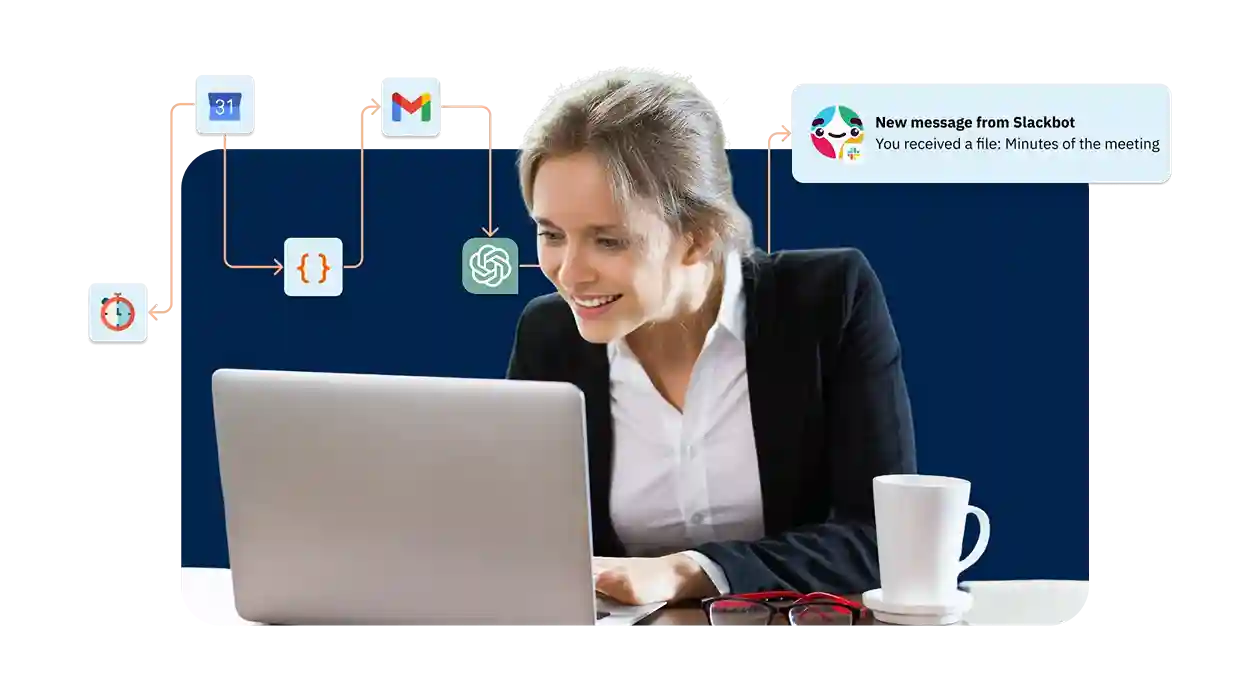
1. Too much time lost on daily firefighting
Most of the day goes to urgent issues and interruptions. Supplier problems and last minute requests take over. There is little space for preparation, so progress keeps getting delayed.
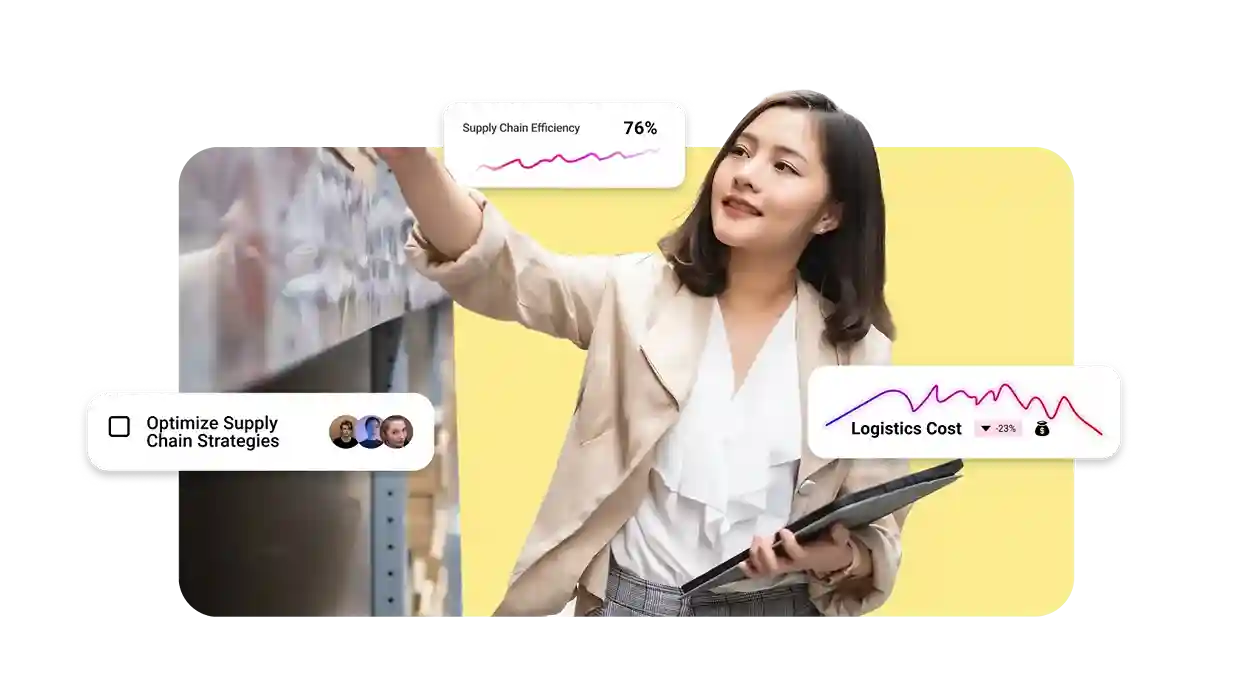
2. Procurement involved too late in decisions
Procurement is brought in after key choices are made. That limits impact on cost, risk, and value. The team reacts instead of shaping outcomes and spends time fixing decisions rather than guiding them.
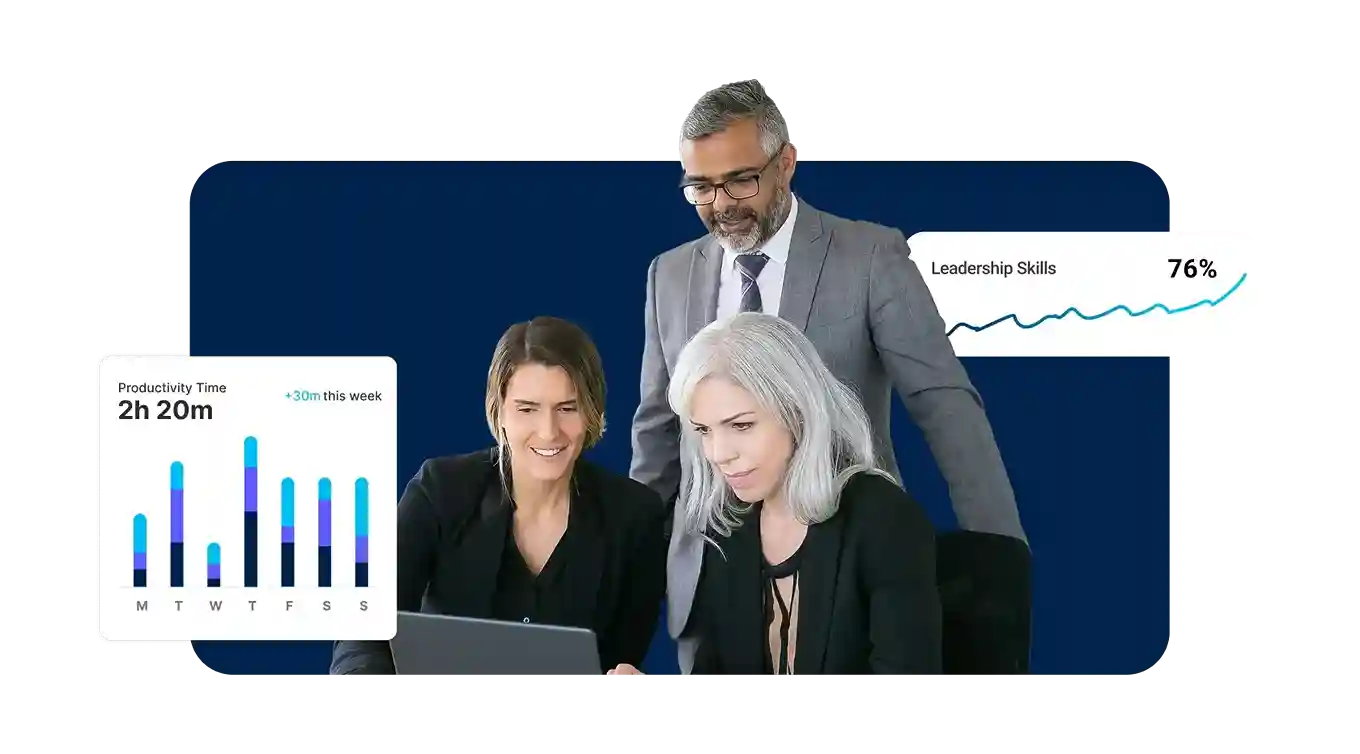
3. No consistent way of working across the team
Everyone works differently across categories and negotiations. Some follow structure, others do not. Without a shared rhythm, results depend on individuals, making performance uneven and hard to scale.
3 drivers of strategic procurement teams
Stop reacting. Start working in control.
Tactical teams spend most of their time reacting to issues, requests, and escalations. Strategic teams work from a predictable operating rhythm that creates clarity and control.
What control looks like in practice
- A clear weekly and monthly rhythm for preparation and reviews
- Clear ownership across categories and initiatives
- Fewer last minute escalations and ad hoc decisions
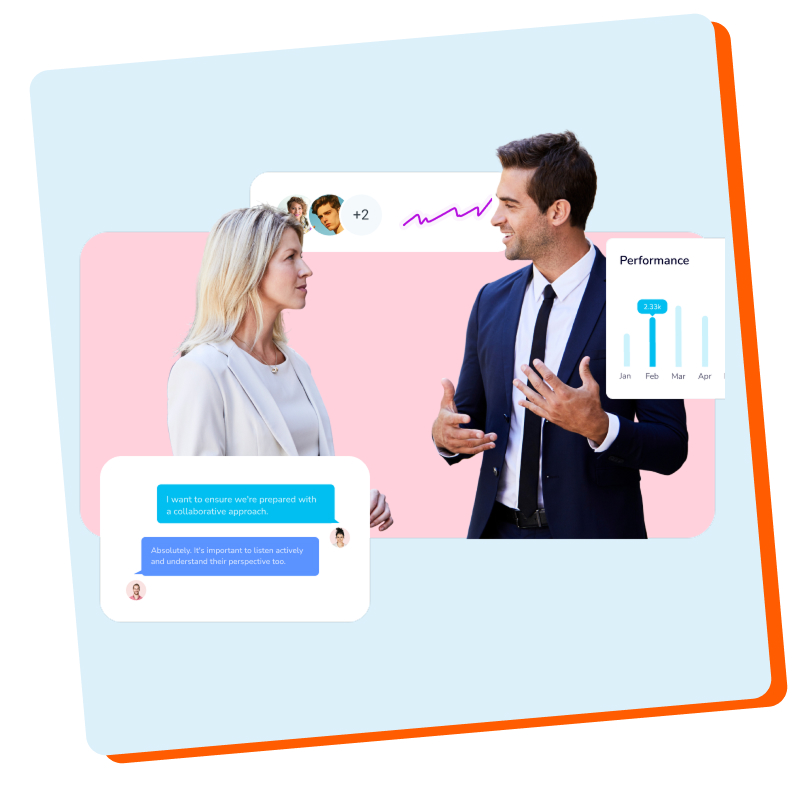
Teams prepare better and lead with confidence.
Strategic procurement teams work from shared preparation standards, use consistent tools, and lead stakeholder conversations proactively.
What strong capability looks like
- Consistent preparation across sourcing and negotiations
- Clear stakeholder positioning and expectation management
- Shared frameworks and playbooks used by the entire team
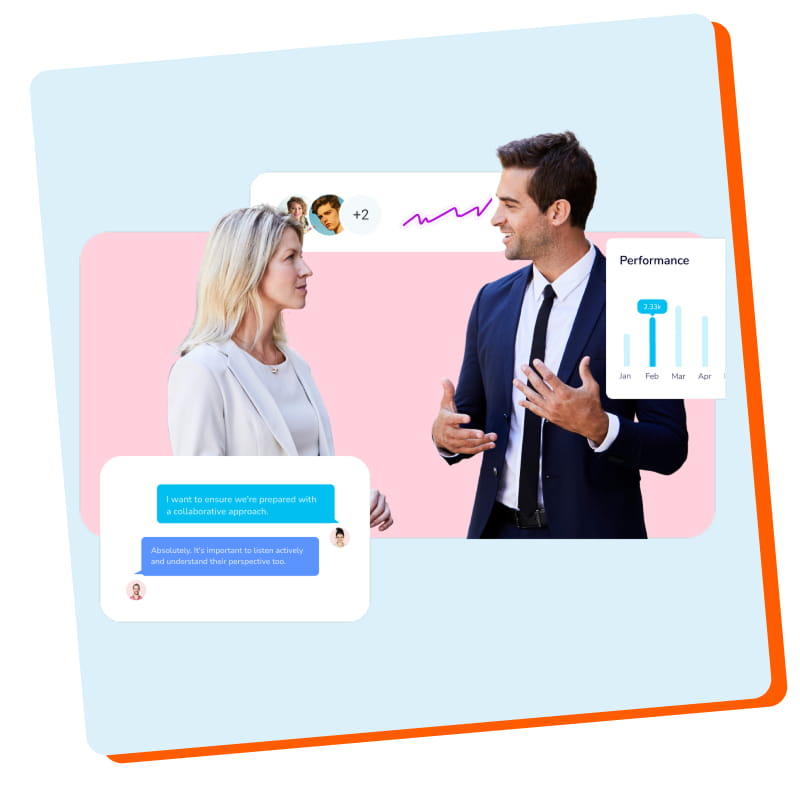
Procurement impact is visible and trusted.
Strategic teams can clearly show how procurement contributes beyond savings, helping leadership make better decisions with confidence.
What visible impact looks like
- Clear reporting of strategic contributions
- Improved credibility with leadership and stakeholders
- Better prioritisation and focus across initiatives

How we help teams move from tactical to strategic
1. Strategic Capability Building
We select the right courses based on the context of your team. Covering topics like strategic procurement, category strategy, AI in procurement, stakeholder management, and more. Your team gains the skills and mental models required to shift from transactional work to strategic influence.
We don’t train everything. We focus on the skills that unlock strategic impact in your situation.

2. A Proven Strategic Operating Rhythm
Together, we design a predictable preparation and execution cycle. Procurement professionals know how to prepare every big project, align with stakeholders, review outcomes, and improve. This turns good intentions into repeatable strategic habits.
It’s how we create space for strategic work and eliminate the constant firefighting.

3. Expert Guidance and Practical Support
You are not left alone. We provide expert consultations to help you select the right journey, run team kickoffs, and troubleshoot real cases. This is where skills turn into better choices and measurable impact.
This is where strategy turns into daily behavior.
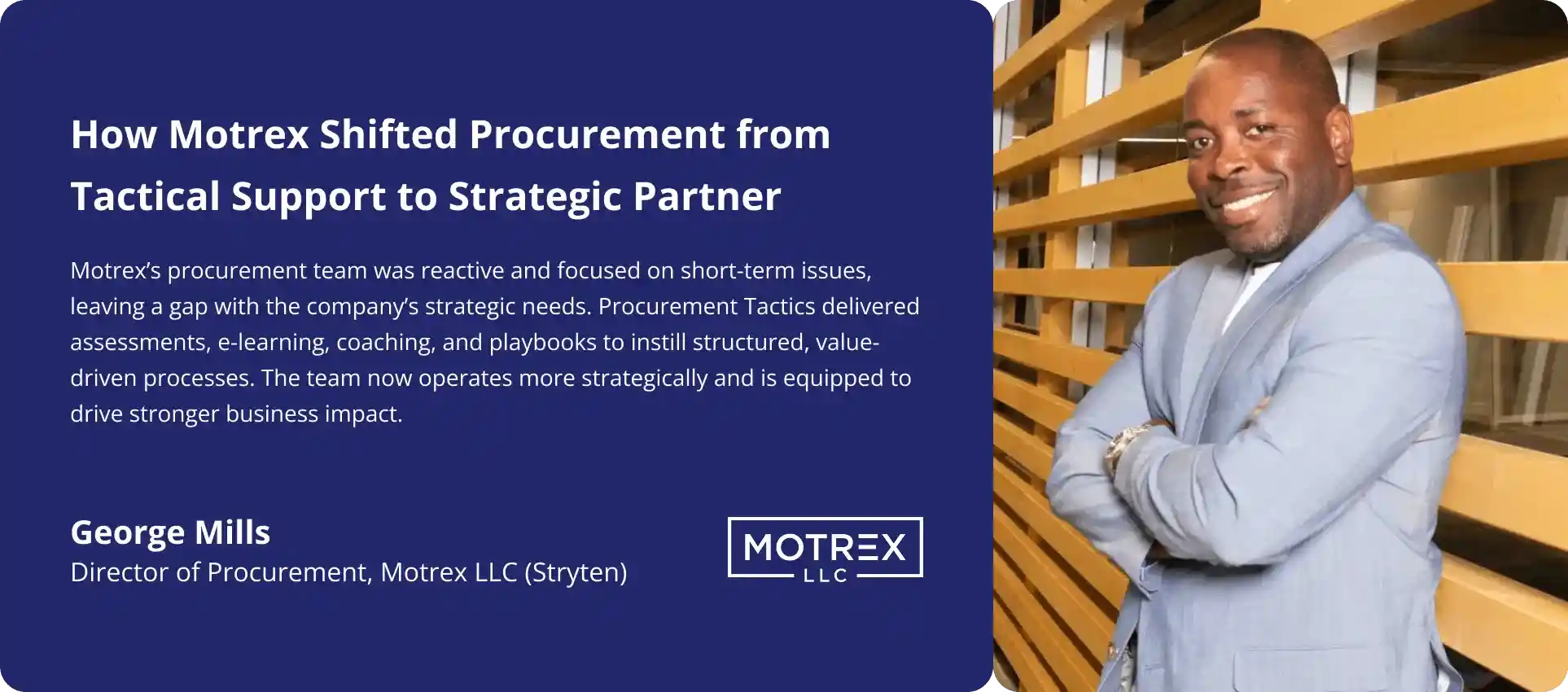
Client success stories
Get a Price Quote
Ready to help your procurement team move from tactical work to real strategic impact?
Use the form to request a price quote, or contact us if you’d like to discuss how we can help your team build the structure and capabilities needed for strategic procurement.
Click here to grab a slot in my calendar. Talk soon!

Pim Herremans 
SUPPORT
FAQs
Have more questions? Get in touch with one of our sales consultants. Book a demo for further questions.
Is this a training program or a transformation initiative?
This is a capability-driven transformation, supported by learning.
We do not start from courses or content. We start from how your team currently works, where they get stuck, and which strategic capabilities are missing. Training is used as a tool, not as the end goal.
The objective is a visible shift in behaviour, decision-making, and impact. Not knowledge for its own sake.
Is this relevant if we already have category strategies?
Yes. In fact, this is often where teams get stuck.
Most teams have category strategies on paper, but struggle to use them consistently in daily work. Preparation differs per buyer, stakeholder conversations vary in quality, and decisions are still made reactively.
This solution focuses on turning strategy into behaviour. It helps teams actually work from their strategies, instead of just maintaining documents.
Will this require much time from my team?
It is designed to reduce pressure, not add to it.
Teams that are stuck in firefighting feel busy all the time, but much of that effort is reactive and inefficient. This approach replaces part of that work with a more predictable rhythm and clearer priorities.
Time is freed up by working more consistently, not by asking people to do more on top of their existing workload.
What kind of results should we expect?
You should expect changes you can see and explain internally.
Examples include more consistent preparation across the team, fewer last minute escalations, stronger positioning towards stakeholders, and clearer insight into where procurement creates value.
Results go beyond savings. They include better decisions, more focus, and increased credibility with leadership.