


Written by Marijn Overvest | Reviewed by Sjoerd Goedhart | Fact Checked by Ruud Emonds | Our editorial policy
10 Best AI Tools in Fleet Management
- AI in fleet management uses artificial intelligence, machine learning, and telematics to optimize vehicle operations and route planning.
- AI in fleet management leverages real-time data, predictive maintenance, and machine learning to boost fleet efficiency and lower operational costs.
- AI in fleet management improves driver behavior analysis, enables smart scheduling, and supports logistics performance through automated decision-making.
What is AI in Fleet Management
AI in fleet management refers to the use of intelligent algorithms and machine learning to automate and optimize fleet operations. AI systems analyze real-time and historical data collected from telematics devices, GPS, sensors, and vehicle systems.
They enable predictive maintenance by forecasting mechanical failures before they occur, helping prevent costly breakdowns. AI also optimizes routes by factoring in traffic, weather conditions, delivery schedules, and fuel efficiency.
Driver behavior can be tracked to improve safety by identifying patterns such as harsh braking, speeding, or signs of fatigue. In the broader scope, AI boosts operational efficiency, lowers costs, and enables smarter, data-driven decisions throughout the fleet.
10 AI Tools that are Used for Fleet Management
1. Geotab Ace
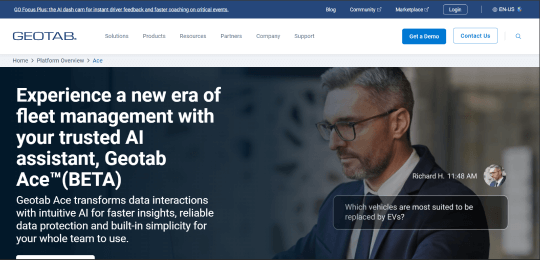
Geotab Ace is a generative AI assistant integrated into Geotab’s telematics platform. It lets managers query fleet data using natural language and turns complex analytics into easily digestible insights. Ace supports secure queries and enables non‑technical team members to get actionable information.
It helps identify trends, optimize fueling and maintenance schedules, and flag anomalies. Generational AI simplifies reporting, enhances safety oversight, and boosts operational efficiency.
Price
€18–27 / $20–30 per vehicle/month. Advanced analytics plans may exceed $100/month, depending on features.
2. Lytx Surfsight
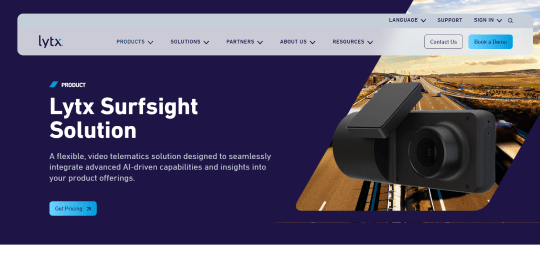
Lytx Surfsight and DriveCam combine machine vision and AI to monitor driver behavior through advanced dash‑cams. They detect risky actions (using a phone, not wearing a seatbelt, harsh braking) and send real‑time in‑cab alerts to drivers.
The system offers detailed event clips and telematics-based reporting for proactive coaching. The latest AI‑14 dash‑cam model delivers better risk detection, durability, and global deployment. These tools help fleets reduce accidents, insurance claims, and liability costs.
Price
Price available on request. Based on the number of vehicles and camera type, not publicly listed.
3. Motive AI Omnicam
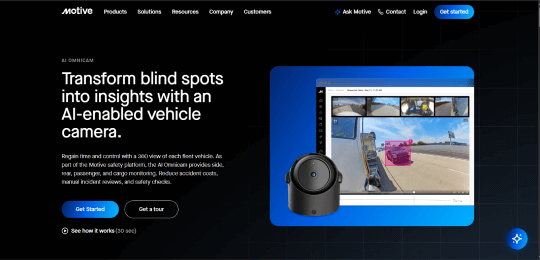
The Motive AI Omnicam is a 360° vehicle camera system powered by AI, covering side, rear, passenger, and cargo views. It detects unsafe behaviors and incidents automatically, reducing accident-related expenses and manual video review. Paired with AI Dashcams, it provides up to six camera angles and delivers instant alerts.
Data is used for driver coaching, compliance tracking, and fuel/spending analytics. Fleets benefit from evidence-based incident resolution and potential insurance savings.
Price
Price available on request. Requires a sales inquiry for a quote.
4. Samsara Fleet Management Platform
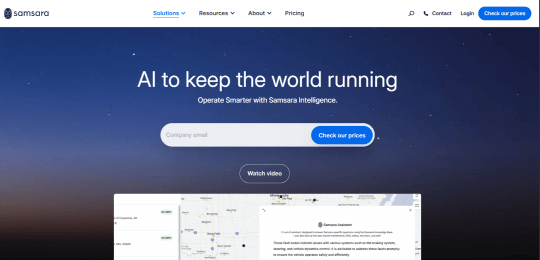
Samsara’s AI platform leverages dash‑cams, GPS, sensors, and telematics to optimize safety, compliance, fuel efficiency, and asset performance. It offers real‑time monitoring, automated maintenance alerts, and dashboards accessible to all roles. AI filters critical events and helps with ELD compliance, DVIRs, and trend analysis.
Weekly product updates introduce wearable sensors and smarter workflows. It streamlines operations with intuitive AI-powered tools and supports integration with ERP and third-party systems.
Price
€12–30 / $13–30 per vehicle/month. Hardware ranges from $129 to $399; software subscription is separate.
5. Nauto Predictive Collision Alerts
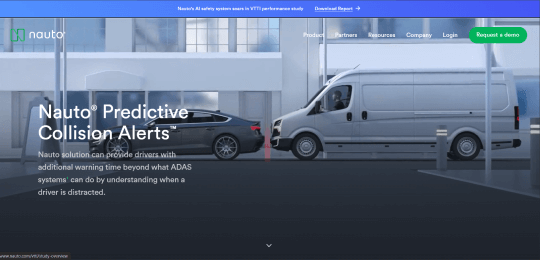
Nauto uses dual-facing AI dash‑cams and external sensors to predict and prevent collisions. It analyzes driver behavior, vehicle movement, and road context in real‑time, offering alerts seconds before incidents.
The platform includes automated driver scoring, incident reports, and video evidence for coaching or insurance claims.
Since launch, fleets have achieved dramatic reductions in rear-end collisions. Tools support transparency and performance improvement without infringing on driver privacy.
Price
Price available on request. Depends on fleet size and selected features.
6. Anyline AI Tire Scanner
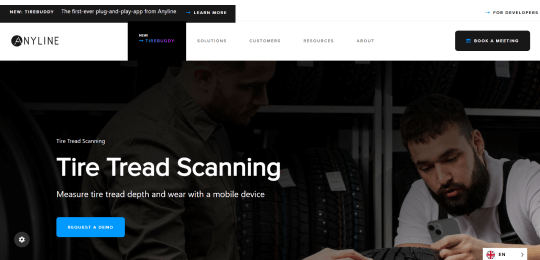
Anyline offers a mobile AI and computer-vision solution that measures tire tread depth and reads sidewall info using a smartphone. It’s faster and more accurate than manual gauges, generating digital records instantly.
Data integrates via API with maintenance systems to schedule timely tire replacements or rotations. This proactive approach reduces tire-related breakdowns and improves safety. It supports both passenger vehicles and commercial fleets.
Price
Price available on request. Offered as SaaS + optional hardware; pricing provided upon inquiry.
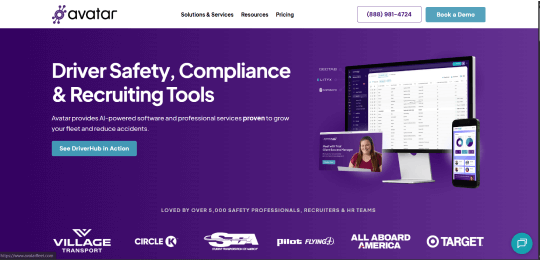
7. Avatar DOT Compliance AI
Avatar Fleet uses AI and OCR to scan, verify, and manage compliance documents such as driver’s licenses, medical certifications, and DOT files. It automates reminders for expirations and audits and generates structured compliance reports. Fleets save time and minimize errors with less manual data entry.
The system supports audit readiness and ensures that regulatory workflows are always up-to-date. AI helps maintain continuous compliance without administrative bottlenecks.
Price
Price available on request. Customized based on fleet size and compliance needs.
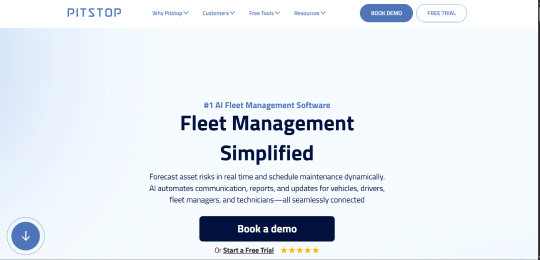
8. Pitstop
Pitstop is an AI-driven maintenance platform that predicts and diagnoses vehicle issues with 95.5 % accuracy before failures occur. It uses telematics data to alert fleets about upcoming repairs, reducing unexpected breakdowns and associated costs.
The system automates communication by sharing critical diagnostics with managers and technicians instantly.
This alignment helps streamline maintenance workflows and ensures timely interventions. As a result, fleets enjoy improved uptime and safety while lowering repair expenses.
Price
Price available on request. Predictive maintenance pricing tailored to fleet and integration level.
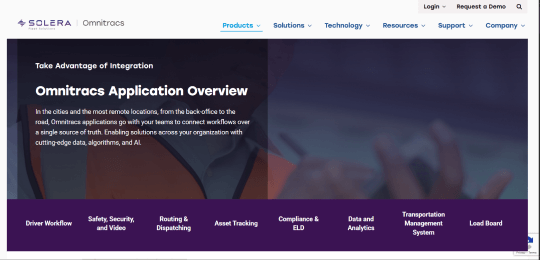
9. Omnitracs AI-Enhanced Fleet Solutions
Omnitracs combines decades of logistics expertise with AI and machine learning to optimize routing, safety, compliance, and driver experience.
Their platform merges telematics and video data, offering insights into unsafe behaviors, real-time risk detection, and route inefficiencies. AI-driven analytics help fleets reduce missed deliveries, decrease phone interactions, and minimize overtime costs.
Drivers benefit from streamlined workflows and enhanced satisfaction. Managers gain comprehensive visibility into operations and actionable alerts for proactive decision-making.
Price
$36.95 per vehicle/month + $929 for hardware kit.
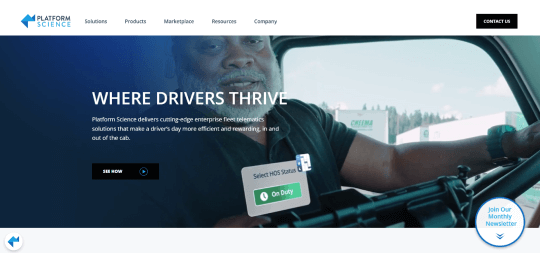
10. Platform Science
Platform Science offers a unified fleet management ecosystem with integrated driver apps and AI-powered back-office tools.
Its platform enables real-time planning, monitoring, and responsive fleet operations. AI supports intelligent workflows, from ELD compliance to predictive maintenance, by surfacing issues early.
With a virtual marketplace, fleets can tailor the system with partner solutions for routing, safety, and optimization. This plug-and-play approach enhances efficiency without requiring custom development.
Price
Price available on request. Usage-based billing: only charges for active devices.
What are the Technologies Behind AI-enabled Fleet Management?
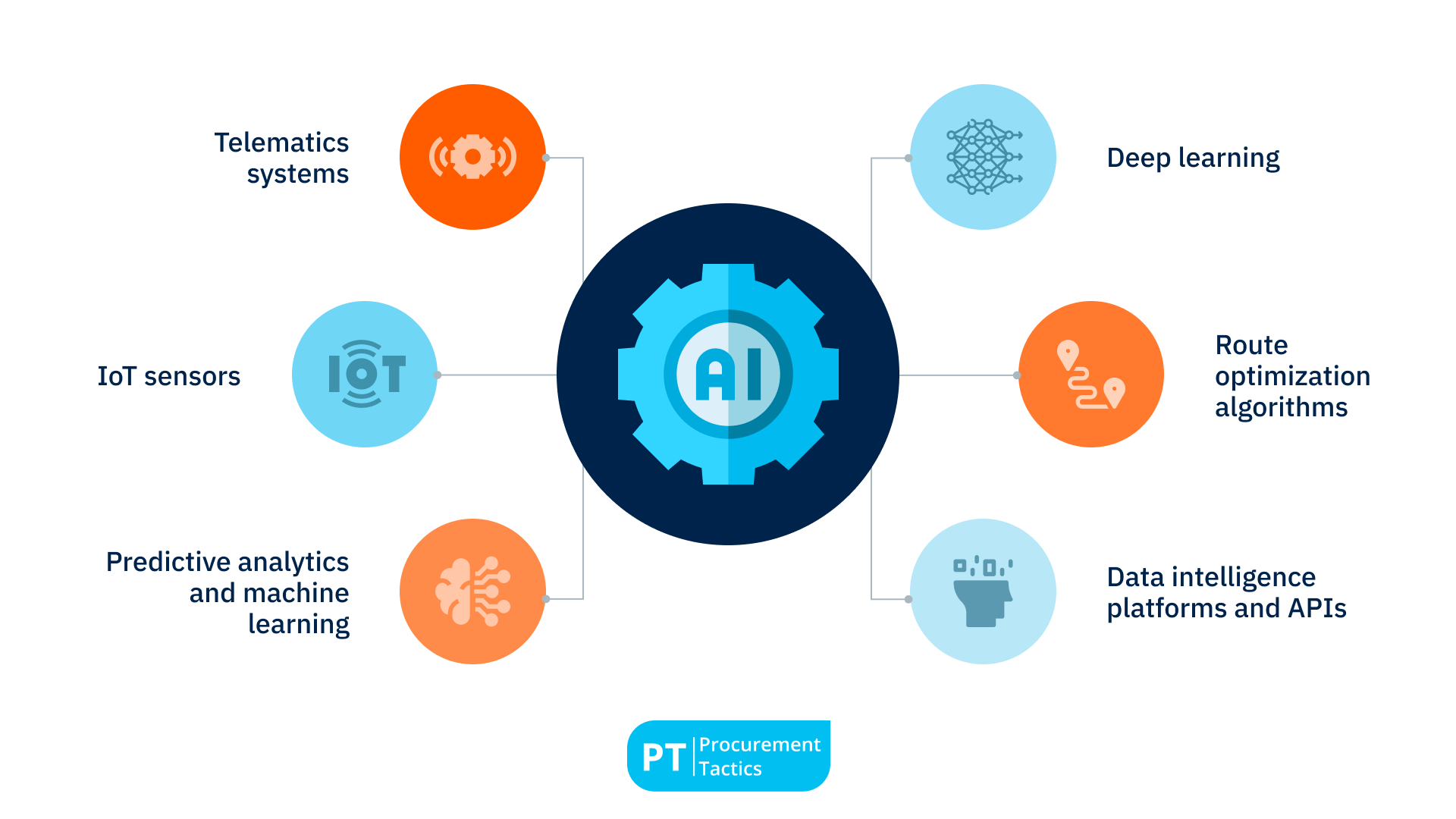
1. Telematics systems
Telematics systems are the backbone of AI-enabled fleet management. They combine GPS tracking and OBD to monitor vehicle location, speed, fuel usage, and engine performance in real time.
These systems feed continuous data into AI algorithms, allowing for instant analysis and response. Fleet managers use this information to monitor driver behavior, detect anomalies, and reduce fuel consumption.
2. IoT sensors
IoT powers a connected vehicle ecosystem. Sensors installed in vehicles collect data on tire pressure, cargo temperature, braking intensity, and more.
This information is transmitted to cloud platforms where AI models process and interpret it. IoT enhances visibility across the fleet and enables real-time alerts and automated workflows.
3. Predictive analytics and machine learning
Predictive analytics uses machine learning to identify patterns in historical and real-time data. AI models learn from previous maintenance records, driving behavior, and component lifecycles.
This allows the system to forecast when a vehicle is likely to break down or require service. The result is reduced downtime, fewer unexpected repairs, and optimized maintenance scheduling.
4. Deep learning
Deep learning, a subset of machine learning, is especially useful for processing unstructured data like images and video.
Fleet systems use deep learning to analyze dashcam footage or detect signs of driver fatigue through facial recognition.
It also supports advanced safety features, such as identifying pedestrians or hazards. These insights can be used to coach drivers and improve road safety.
5. Route optimization algorithms
AI-powered route optimization engines calculate the most efficient paths based on multiple variables. These include traffic conditions, weather, road restrictions, fuel prices, and customer delivery windows.
The system updates routes dynamically in real time, helping avoid delays and reducing emissions. This leads to improved on-time delivery rates and lower operating costs.
6. Data intelligence platforms and APIs
Fleet management platforms like Geotab integrate AI, telematics, and IoT through powerful data intelligence layers.
They offer customizable dashboards, predictive insights, and open APIs for integration with ERP, TMS, and third-party analytics tools.
These platforms centralize decision-making and make AI-driven insights actionable. They empower fleet managers with full visibility and control over every asset and operation.
Benefits of AI in Fleet Management
Challenges of AI in Fleet Management
Conclusion
AI in fleet management is transforming the logistics landscape by combining telematics, IoT, machine learning, and advanced analytics to optimize fleet operations. These technologies enable predictive maintenance, real-time route optimization, and driver behavior monitoring, resulting in reduced costs, improved safety, and enhanced operational efficiency.
A growing range of AI-powered tools offers tailored solutions that integrate seamlessly with modern fleet ecosystems. While implementation brings challenges like high costs, data integration, and cybersecurity concerns, the long-term benefits far outweigh the hurdles. AI is no longer a future concept. It’s a practical, data-driven force reshaping how fleets operate today.
Frequentlyasked questions
What is AI in Fleet Management?
AI in fleet management uses artificial intelligence, machine learning, and telematics to optimize vehicle operations and route planning.
How does AI improve driver safety in fleet management?
AI improves driver safety by analyzing telematics data, detecting risky behavior like harsh braking or fatigue, and issuing real-time alerts.
What are the key benefits of using AI-powered predictive maintenance?
AI-powered predictive maintenance uses sensor data and machine learning to forecast vehicle failures, reduce downtime, and optimize maintenance scheduling.
About the author
My name is Marijn Overvest, I’m the founder of Procurement Tactics. I have a deep passion for procurement, and I’ve upskilled over 200 procurement teams from all over the world. When I’m not working, I love running and cycling.