

Written by Marijn Overvest | Reviewed by Sjoerd Goedhart | Fact Checked by Ruud Emonds | Our editorial policy
10 Best Category Management Tools for 2026
Table of contents
- What are Category Management Tools?
- 10 Best Category Management Tools for 2026
- 4 Key Features to Look For in Category Management Tools
- 6 Key Benefits of Category Management Tools
- 7 Common Mistakes When Using Category Management Tools
- Why Category Management Tools are Important?
- Conclusion
- Frequently asked questions
- A good category management tool should clearly show how much is spent per category, with which suppliers, and how spending evolves. Without reliable spend visibility, category decisions are based on assumptions instead of facts.
- The category management tool should provide a structured overview of suppliers within each category, including contract coverage and basic performance indicators. This helps procurement manage risk and support informed sourcing decisions.
- The category management tool should connect analysis with action by supporting category objectives, sourcing planning, and performance monitoring. This enables procurement to move from short-term buying to long-term category management.
What are Category Management Tools?
Category management tools are digital tools that help procurement teams organize and manage spend by category, such as IT, logistics, or marketing, instead of handling purchases one by one.
They provide visibility into how much is spent, with which suppliers, and where improvement or savings are possible, supporting a more structured and strategic approach to procurement.
These tools are often part of larger procurement platforms like SAP or GEP, and they help entry- and mid-level professionals move from operational buying to category-based decision-making.
10 Best Category Management Tools for 2026

1. GEP SMART
GEP SMART is a cloud-native source-to-pay platform designed to support end-to-end procurement, with strong built-in capabilities for category management, sourcing, and spend analytics.
It enables procurement teams to analyze spend at the category level, manage supplier portfolios, and align sourcing activities with category strategies. GEP SMART is primarily used by mid-sized and large organizations seeking integrated category and sourcing management within one platform.
Best features:
- Category-level spend analytics and dashboards
- Integrated sourcing and category strategy support
- Supplier performance and risk visibility
- AI-driven insights and automation
Company Profile:
GEP SMART is a unified, cloud-native procurement platform that combines sourcing, purchasing, category management, and analytics in a single system.
Services Offered / Key Features:
- Category management
- Strategic sourcing
- Spend analytics
- Supplier management
Reviews:
Users highlight GEP SMART’s strong analytics, integrated category workflows, and suitability for global procurement organizations.
Price
Pricing is available upon request.
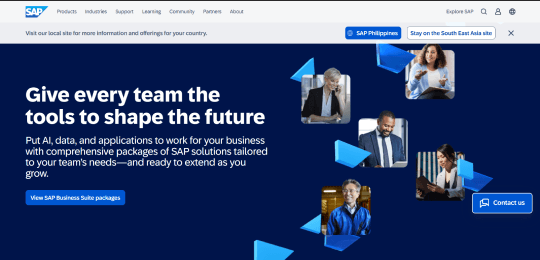
2. SAP Spend Management / Ariba
SAP Spend Management, including SAP Ariba, supports category management through advanced spend analysis, supplier visibility, and deep ERP integration.
It allows procurement teams to analyze categories across regions, suppliers, and business units, supporting strategic sourcing and long-term category planning. The solution is widely used by large enterprises with complex procurement structures.
Best features:
- Enterprise-grade category spend analytics
- Supplier segmentation and visibility
- Strong ERP and financial integration
- Scalable reporting and governance
Company Profile:
SAP is a global enterprise software provider offering procurement and spend management solutions as part of its broader ERP ecosystem.

Services Offered / Key Features:
- Spend analytics
- Supplier management
- Strategic sourcing
- Procurement integration
Reviews:
Users value SAP’s scalability, data reliability, and integration with enterprise systems.
Price
Pricing depends on scope and configuration.

3. Ivalua
Ivalua is a highly configurable source-to-pay platform that supports advanced category management, supplier segmentation, and strategic sourcing.
It allows organizations to design category strategies aligned with internal governance and market complexity. Ivalua is often used by organizations with mature procurement functions.
Best features:
- Flexible category and supplier models
- Category strategy and sourcing alignment
- Supplier performance tracking
- Strong configurability
Company Profile:
Ivalua provides a modular procurement platform focused on flexibility and strategic control across procurement activities.
Services Offered / Key Features:
- Category management
- Strategic sourcing
- Supplier lifecycle management
- Spend analytics
Reviews:
Users appreciate Ivalua’s flexibility and ability to support complex category strategies.
Price
Pricing is available upon request.

4. Zycus
Zycus is known for its AI-powered spend analysis and category classification capabilities. It helps procurement teams gain accurate category visibility by automatically cleansing and classifying spend data, enabling better category decisions and sourcing strategies.
Best features:
- AI-driven spend classification
- Category-level analytics
- Automated data cleansing
- Strategic sourcing support
Company Profile:
Zycus is a procurement software provider specializing in spend analytics and AI-driven procurement solutions.
Services Offered / Key Features:
- Spend analytics
- Category management
- Strategic sourcing
- Procurement automation
Reviews:
Users highlight Zycus’ strong data accuracy and advanced analytics capabilities.
Price
Pricing varies by module.

5. Coupa
Coupa is a business spend management platform that provides strong spend visibility and category insights across procurement and finance. While not a pure category management tool, it strongly supports category analysis through spend analytics and guided buying.
Best features:
- Real-time spend and category visibility
- Guided buying and compliance controls
- Supplier management
- Intuitive analytics dashboards
Company Profile:
Coupa is a cloud-based spend management platform focused on visibility, control, and value creation.
Services Offered / Key Features:
- Spend analytics
- Supplier management
- Strategic sourcing
- Compliance controls
Reviews:
Users value Coupa’s ease of use and strong spend transparency.
Price
Pricing is available upon request.

6. Jaggaer
Jaggaer provides procurement solutions with category management capabilities across sourcing, supplier management, and analytics. It is widely used in education, research, and public sector environments.
Best features:
- Category and sourcing analytics
- Supplier lifecycle management
- Spend visibility
- Strong compliance support
Company Profile:
Jaggaer is a procurement software provider serving complex and regulated industries.
Services Offered / Key Features:
- Category management
- Strategic sourcing
- Supplier management
- Spend analytics
Reviews:
Users appreciate Jaggaer’s robustness and sector-specific capabilities.
Price
Pricing is available upon request.
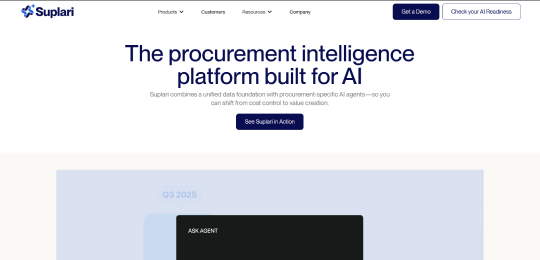
7. Suplari
Suplari is an AI-driven spend intelligence platform that focuses on identifying category-level opportunities and risks. It is often used alongside ERP or P2P systems to enhance category insights.
Best features:
- AI-powered spend intelligence
- Category opportunity identification
- Automated insights
- Microsoft ecosystem integration
Company Profile:
Suplari specializes in AI-based spend analytics and procurement intelligence.
Services Offered / Key Features:
- Spend analytics
- Category insights
- Opportunity identification
- AI automation
Reviews
Users value Suplari’s advanced analytics and ease of integration.
Price
Pricing is available upon request.
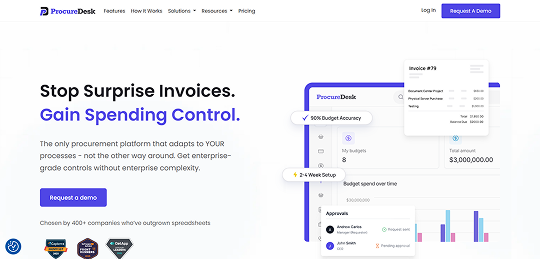
8. ProcureDesk
ProcureDesk is a procurement analytics platform designed to give procurement leaders and teams visibility into category spend and performance. It focuses on analytics rather than transactional purchasing.
Best features:
- Category-level dashboards
- Procurement analytics
- Spend visibility
- Decision-support reporting
Company Profile:
ProcureDesk focuses on analytics-driven procurement and category visibility.
Services Offered / Key Features:
- Category analytics
- Spend reporting
- Procurement insights
Reviews:
Users highlight its clarity and usefulness for category-level decision-making.
Price
Pricing is available upon request.
9. Vendr
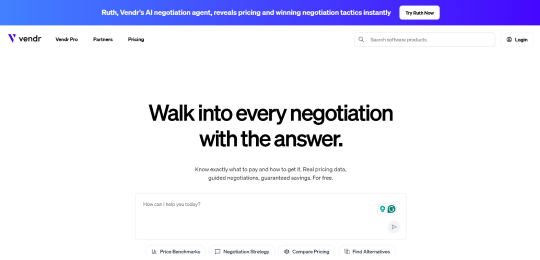
Vendr is a specialized procurement platform focused on managing SaaS and software categories. It supports benchmarking, contract negotiations, and vendor optimization for software spend.
Best features:
- SaaS category spend analysis
- Price benchmarking
- Contract negotiation support
- License optimization
Company Profile:
Vendr is a SaaS procurement and vendor management platform.
Services Offered / Key Features:
- SaaS category management
- Benchmarking
- Negotiation support
Reviews:
Users praise Vendr for its negotiation insights and SaaS cost optimization.
Price
Pricing is available upon request.
10. SpendQube
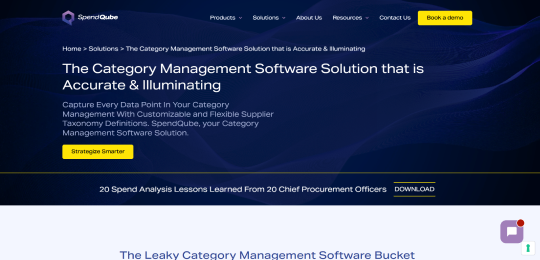
SpendQube is a lightweight spend analytics platform that supports category visibility and reporting, suitable for organizations starting their category management journey.
Best features:
- Category-level spend analytics
- Fast implementation
- Clear dashboards
- Easy adoption
Company Profile:
SpendQube provides spend and category analytics for growing procurement teams.
Services Offered / Key Features:
- Spend analytics
- Category reporting
- Procurement insights
Reviews:
Users appreciate its simplicity and quick setup.
Price
Pricing is available upon request.
4 Key Features to Look For in Category Management Tools
Category management tools include several core features that help procurement teams manage categories in a structured and consistent way. Below is a deeper explanation of the most important features, written for entry to mid-level professionals.
1. Spend Analytics
Spend analytics provides a clear overview of how money is spent within a category. It consolidates data from different systems, cleans and categorizes it, and shows spending patterns over time.
This helps procurement teams identify inefficiencies, duplicate suppliers, price differences, and realistic saving opportunities based on facts rather than assumptions.
2. Supplier Management
Supplier management features enable teams to view which suppliers are utilized in a category and their performance. This includes basic information such as delivery reliability, quality issues, compliance, and contract coverage.
By consistently tracking supplier performance, procurement can reduce risk, support better supplier selection, and foster stronger, more transparent supplier relationships.
3. Sourcing and Category Strategy Support
These tools help translate category insights into action. Based on spend data and supplier analysis, procurement teams can define sourcing strategies, plan tenders or negotiations, and align sourcing decisions with category objectives.
This ensures that sourcing activities follow a clear plan instead of being reactive or one-off decisions.
4. Reporting, Insights, and Automation
Reporting and insight features provide structured dashboards and regular updates on category performance. Many tools use automation or AI to highlight trends, risks, or deviations from the plan.
This makes it easier for entry- and mid-level professionals to track progress, prepare management updates, and support decision-making with reliable data.
Together, these features enable procurement to move from operational buying toward disciplined, category-based management with clear visibility and accountability.
6 Key Benefits of Category Management Tools
7 Common Mistakes When Using Category Management Tools
Why Category Management Tools are Important?
Category management tools are important because they help procurement teams make better decisions using data, not assumptions. By organizing spending by category, they create clear visibility into costs, supplier performance, and risks that are often hidden when purchases are managed individually.
These tools reduce manual work and provide a clear structure and priorities. They support cost savings, more consistent sourcing decisions, and stronger supplier management, while helping procurement align its activities with broader business goals.
Conclusion
Category management tools have become an essential part of modern procurement, enabling teams to move beyond transactional buying toward structured, category-based decision-making. By providing clear spend visibility, supplier insights, and support for category strategies, these tools help procurement operate in a more consistent, data-driven, and proactive way.
Category management tools offer structure and clarity. They simplify complex data, reduce manual effort, and make it easier to understand categories, suppliers, and priorities. This creates a solid foundation for better sourcing decisions, stronger supplier management, and continuous improvement over time. The real value of category management tools comes from how they are used. Clean data, clear category ownership, stakeholder involvement, and a focus on turning insights into actions are critical for success.
Frequentlyasked questions
What are category management tools?
Category management tools are digital tools that help procurement teams organize, analyze, and manage spend by category, such as IT, logistics, marketing, or raw materials. Instead of managing purchases individually, they support a structured, category-based approach to procurement.
What is the most common mistake when using category management tools?
The most common mistake is using the tool only for reporting without linking insights to category strategies and sourcing actions.
Are category management tools the same as procurement software?
Not exactly. Category management tools are often part of broader procurement platforms, but they focus specifically on managing spend and suppliers at the category level rather than on transactional purchasing alone.
About the author
My name is Marijn Overvest, I’m the founder of Procurement Tactics. I have a deep passion for procurement, and I’ve upskilled over 200 procurement teams from all over the world. When I’m not working, I love running and cycling.