


Written by Marijn Overvest | Reviewed by Sjoerd Goedhart | Fact Checked by Ruud Emonds | Our editorial policy
Dimensions that Influence Stakeholders in Procurement
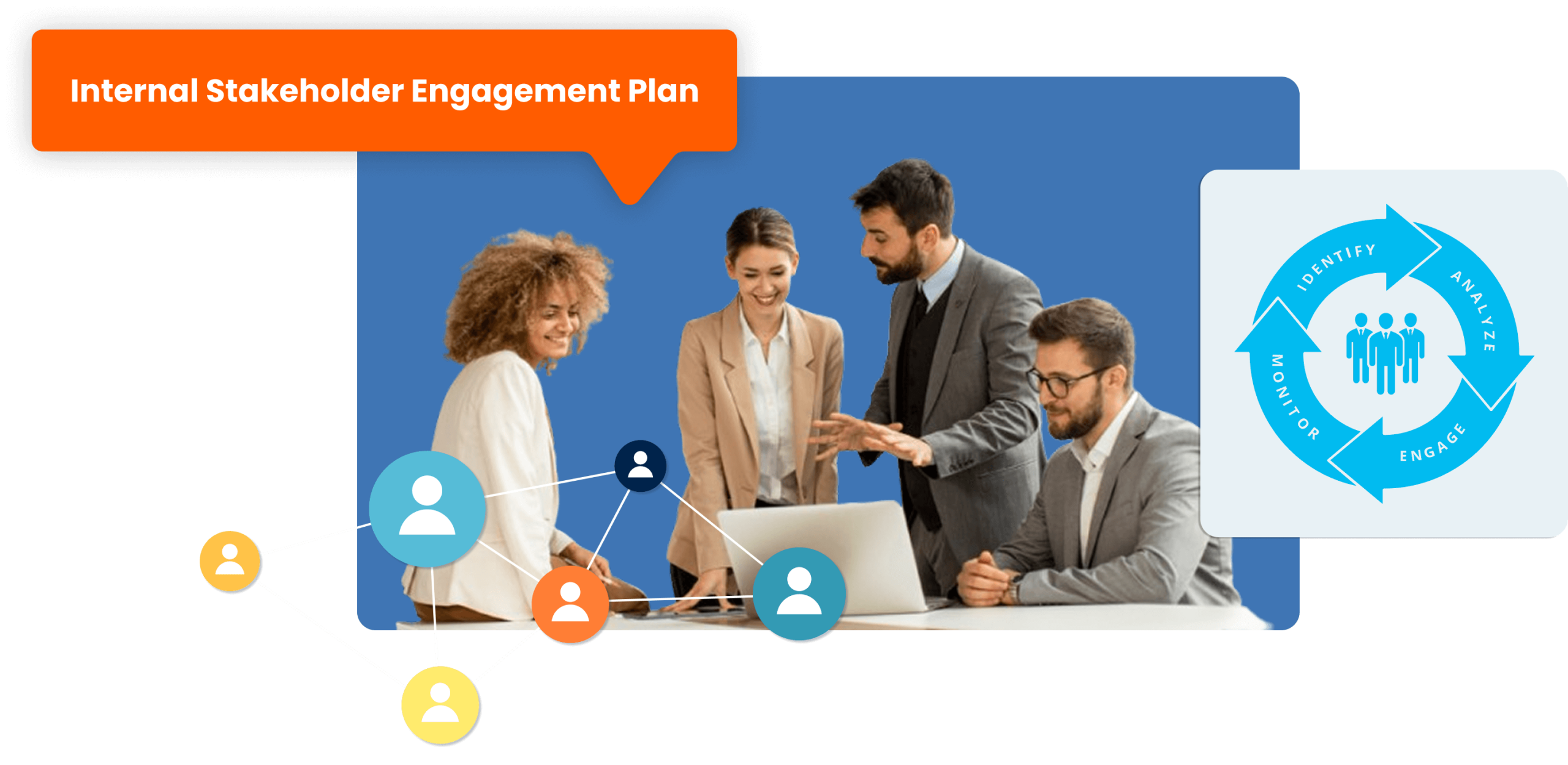
As taught in the Internal Stakeholder Management Course / ★★★★★ 4.9 rating
Table of contents
- What Dimensions Influence Stakeholders in Procurement?
- Why Culture Matters in Stakeholder Relationships?
- How Personality Shapes Stakeholder Engagement
- Examples Highlight Stakeholder Differences
- Why the Work Environment Influences Stakeholder Behavior
- How to Identify Stakeholder Communication Preferences
- How Self-Awareness Strengthens Stakeholder Management
- Conclusion
- Frequently asked questions
- Personality affects how stakeholders share information, make decisions, and interact with others. It influences whether they prefer detailed analysis or broad concepts, structured discussions or spontaneous conversations, and how they respond to collaboration and conflict.
- Culture shapes how stakeholders view hierarchy, teamwork, and communication. It determines whether they value direct or indirect feedback, formal or informal processes, and how they approach negotiation and decision-making.
- Work environment affects expectations, priorities, and response time. A structured organization values formal reports and fixed processes. A fast-paced environment prefers short updates and flexible plans.
What Dimensions Influence Stakeholders in Procurement?
Behind every stakeholder is a person with their own habits, preferences, and ways of working. To build productive relationships, procurement professionals must understand who the stakeholders are as individuals.
This includes recognizing differences in personality, culture, and work environment, and adapting communication and engagement styles accordingly.
Some stakeholders prefer detailed plans and structure; others thrive on open discussion and flexibility. There’s no universal approach that works for everyone. The key is to observe, adapt, and align with how each stakeholder operates. This flexibility builds trust, respect, and long-term collaboration.
Why Culture Matters in Stakeholder Relationships?
Culture strongly influences how people make decisions, solve problems, and interact. In procurement, two types of culture are particularly important:
- National culture – shaped by the values and norms of a person’s country or region.
- Organizational culture – defined by the expectations, leadership style, and communication norms of the company or team.
For example, in some organizations, communication is formal and hierarchical; in others, it’s casual and open. Some teams prefer structured decision-making, while others rely on consensus.
You don’t need to know every cultural detail, but staying curious and observant makes a big difference. Notice whether stakeholders prefer direct or indirect communication, written or verbal updates, structured or flexible meetings. Small adjustments in tone or timing can help your message resonate.
Cultural awareness isn’t just about avoiding missteps—it’s about showing respect and building credibility across diverse teams.
How Personality Shapes Stakeholder Engagement
Personality influences how stakeholders think, decide, and collaborate. A practical framework to understand these differences is the Myers-Briggs Type Indicator (MBTI), which describes preferences in four areas:
- Focus: Extravert (outward) or Introvert (inward)
- Information: Sensing (facts) or Intuition (ideas)
- Decision-making: Thinking (logic) or Feeling (values)
- Organization: Judging (plans) or Perceiving (flexibility)
These categories aren’t rules but useful guides. For instance, introverts may prefer written communication and time to reflect, while extraverts enjoy active discussion. Recognizing these preferences allows you to adapt without changing who you are, improving collaboration, and reducing friction.
Even small adjustments, such as giving someone time to process information or choosing the right time for a conversation, can have a major impact.
Examples Highlight Stakeholder Differences
Small interactions often reveal important insights. One colleague once replied, “Mornings aren’t good for me until I’ve had coffee.” That short exchange showed that early meetings wouldn’t be productive, so meetings were moved later, improving collaboration.
In another case, a company’s culture valued individual alignment before group presentations. A procurement professional who learned this held one-on-one discussions in advance and gained full team support. Had she skipped that step, the project could have faced early resistance.
Cultural nuances also matter in international teams. A project lead working with Central European and Middle Eastern colleagues noticed that the former tended to communicate directly, while the latter were more indirect and diplomatic. Understanding and adjusting to these differences built stronger trust and teamwork.
Why the Work Environment Influences Stakeholder Behavior
Stakeholders operate within environments shaped by structure, leadership, and team culture. These factors influence how they expect others to work with them.
In structured organizations, people may expect detailed documentation, formal meetings, and clear procedures. In agile or fast-moving environments, they may prefer short updates, informal discussions, and flexible plans.
Understanding these dynamics helps procurement professionals match their approach; offering detailed reports when structure is valued or concise updates when agility is key. This adaptability demonstrates understanding and strengthens credibility.
How to Identify Stakeholder Communication Preferences
Every stakeholder has preferred ways to receive information. Before engaging, take time to identify these preferences. Use this simple planning template:
Review this before key meetings or project updates. Aligning your communication style with stakeholder preferences helps ensure your message is clear, timely, and well-received.
How Self-Awareness Strengthens Stakeholder Management
Before you try to understand your internal stakeholders, it’s helpful to first understand yourself. Understanding yourself is just as important as understanding others. Ask yourself:
- How do I prefer to work and communicate?
- Do I need structure or flexibility?
- Do I focus on facts or big ideas?
- Do I prefer quick decisions or time to reflect?
Self-awareness helps you adapt more effectively and communicate transparently. Sharing your own preferences encourages stakeholders to do the same, creating mutual respect and alignment.
Even a short, informal chat about work styles can prevent confusion and strengthen relationships.
Conclusion
Understanding the dimensions that influence stakeholders, including personality, culture, and work environment, gives procurement professionals the insight needed to build relationships that last.
Every stakeholder brings a unique mix of habits, motivations, and expectations. By observing how they think, communicate, and make decisions, you can adapt your approach to create smoother collaboration and stronger alignment.
Developing this awareness also strengthens your credibility. When you show that you understand not only the business context but also the people behind it, stakeholders are more willing to engage openly and trust your recommendations. This people-focused approach turns everyday interactions into opportunities to build influence and partnership.
In the next lesson, we will explore how procurement professionals can apply this understanding through essential hard and soft skills. These capabilities turn awareness into action and help you collaborate effectively to deliver stronger results.
Frequentlyasked questions
What are the main dimensions that influence stakeholders in procurement?
The main dimensions are personality, culture, and work environment; each shaping how stakeholders behave, decide, and communicate.
Why is culture important in stakeholder management?
Culture influences expectations, decision-making, and communication norms. Recognizing these patterns helps procurement professionals build trust and avoid misunderstandings.
How does personality affect procurement relationships?
Different personalities value different communication styles. Adapting your approach, whether structured or conversational, helps improve collaboration.
About the author
My name is Marijn Overvest, I’m the founder of Procurement Tactics. I have a deep passion for procurement, and I’ve upskilled over 200 procurement teams from all over the world. When I’m not working, I love running and cycling.