

Written by Marijn Overvest | Reviewed by Sjoerd Goedhart | Fact Checked by Ruud Emonds | Our editorial policy
Stakeholder Conflict Resolution — Tools and Techniques
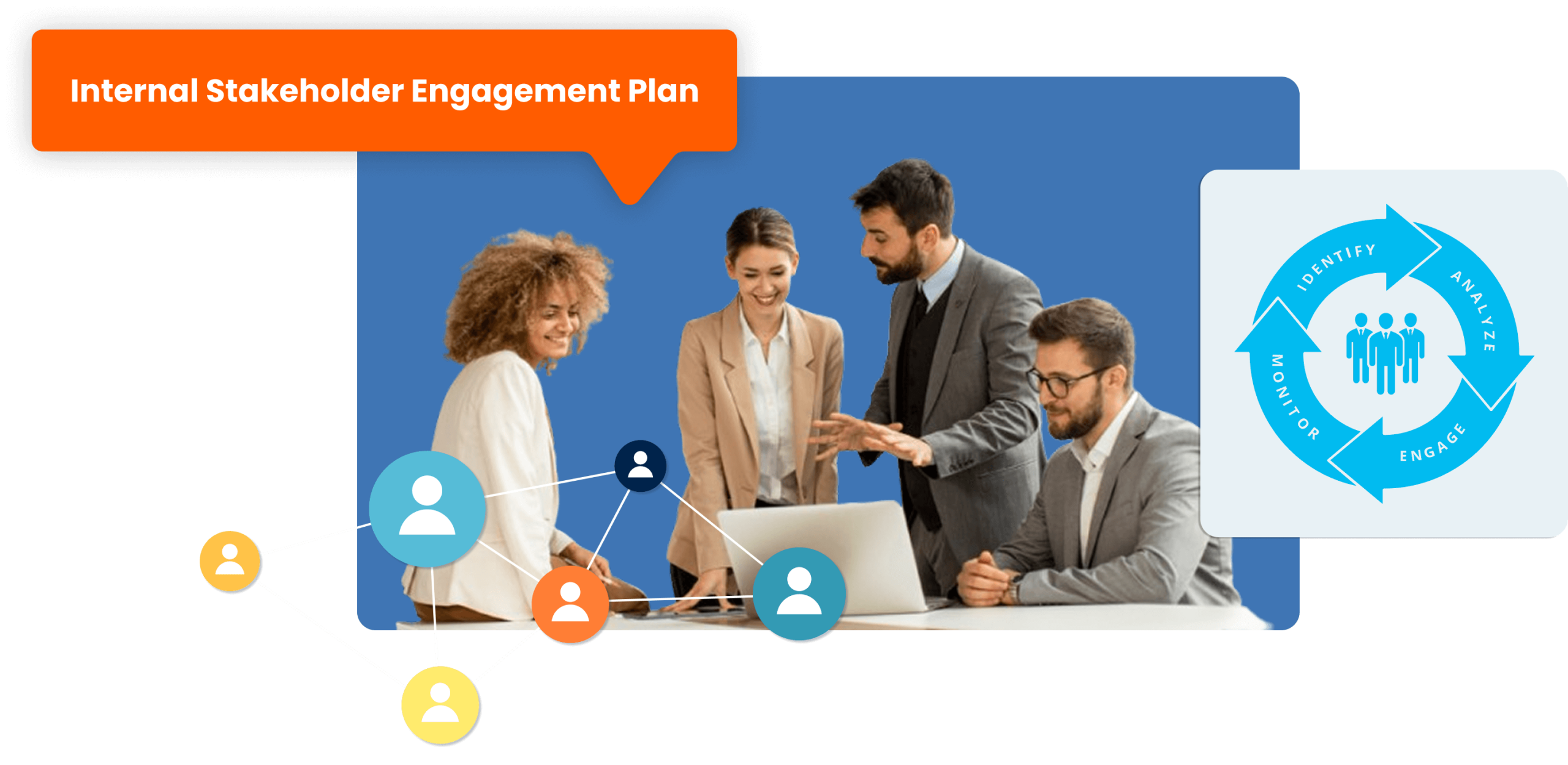
As taught in the Internal Stakeholder Management Course / ★★★★★ 4.9 rating
Table of contents
- What is Stakeholder Conflict Resolution?
- Why Change Often Leads to Conflict
- The Kübler-Ross Change Curve
- Core Techniques for Resolving Stakeholder Conflict
- The Stinky Fish Canvas
- Finding Root Causes With the 5 Whys
- Bringing Conflict Resolution Into Everyday Stakeholder Work
- Conclusion
- Frequently asked questions
- Stakeholder conflict resolution is the practice of spotting resistance early, understanding what is behind it, and guiding conversations toward shared solutions instead of blame.
- It focuses on how people react to change and uses empathy, structure, and simple tools to turn tension into collaboration.
- Done well, it protects timelines, maintains trust, and keeps procurement initiatives moving even when emotions run high.
What is Stakeholder Conflict Resolution?
Stakeholder conflict resolution is how you handle disagreement, resistance, and emotional reactions that show up around projects and change. In procurement, this often appears when new processes, systems, or responsibilities are introduced.
Every procurement project is a change. Even small adjustments in tools or workflows can create uncertainty. People may hesitate, push back, or go quiet. These reactions are normal. The difference between a stalled project and a successful one often comes down to how early you notice these signals and how you respond.
The goal is not to avoid all conflict. The goal is to recognize it, understand what sits underneath, and address it in a way that preserves relationships and supports the project.
Why Change Often Leads to Conflict
Change and conflict are closely connected. When something familiar shifts, people can experience emotional reactions such as confusion, frustration, or loss of control. If these emotions are not acknowledged, resistance can harden into open or silent conflict.
- Common triggers in procurement include:
- New systems or tools that feel complex or risky
- Policy changes that increase perceived workload
- Shifts in responsibilities that feel unclear or unfair
- Past experiences with failed projects that reduce trust
Resistance is not a sign that stakeholders are difficult. It often signals that people are uncertain, overloaded, or unconvinced. If you see delay, silence, or repeated objections, treat these as useful information, not personal attacks.
Conflict resolution begins with understanding how people typically move through change.
The Kübler-Ross Change Curve
The Kübler-Ross Change Curve describes emotional stages people often move through when facing significant change. It was originally used for grief, but it also applies to how employees respond to organizational changes.
In a project setting, these stages often look like this:
1. Shock and denial
People act as if nothing is changing, ignore updates, or stay disengaged. Productivity may dip as they process what this means for them.
What to do:
Focus on clarity and consistency. Explain the purpose of the change, what is happening when, and what will stay the same. Use transparent, continuous, personalized, and clear communication.

2. Anger, frustration, or sadness
People may complain, question the plan, show reluctance, or challenge decisions. Energy is high, but often negative.
What to do:
Do not push back or argue. Practice empathy. Ask what concerns them, listen without interrupting, and acknowledge that the change is difficult. Emotional intelligence matters here: manage your own reactions while understanding theirs.
3. Bargaining and experimentation
Stakeholders start trying the new process or system. They may still question parts of it, but they are testing rather than rejecting.
What to do:
Offer guidance, feedback sessions, and regular check-ins. Be available for questions. Celebrate small wins so people feel their efforts are noticed.
4. Low energy or temporary discouragement
Some people may feel tired, doubtful, or overwhelmed by the effort needed to change.
What to do:
Provide support and reassurance. Clarify priorities, remove unnecessary friction, and make it clear that their concerns are heard.
5. Acceptance and integration
People begin to accept the new reality and work with it. The change becomes part of normal routines.
What to do:
Continue to ask for feedback, offer coaching where needed, and invite suggestions to improve the process. If you stop paying attention too early, old habits can return.
Different stakeholders may be at different stages at the same time. Conflict resolution starts with noticing where each person seems to be and adjusting your response accordingly.
Core Techniques for Resolving Stakeholder Conflict
What if resistance becomes a conflict? Even with empathy and planning, conflict can still emerge.
When resistance turns into open disagreement or tense conversations, how you show up matters as much as what you say. These techniques help keep discussions productive:
1. Assume positive intent
Start from the belief that the other person is trying to protect something important: their team, their time, their targets, or their customers.
- Say explicitly that your goal is to solve the problem, not to blame anyone.
- Frame the conversation around shared outcomes rather than who is right.
This lowers defensiveness and sets a collaborative tone.
2. Listen without interrupting
When emotions are high, the impulse is often to defend your position or correct misunderstandings. That usually makes things worse.
- Let the stakeholder explain their view fully.
- Use short reflections such as “What I hear you saying is…” to show you understood.
- Only after they feel heard do you share your perspective.
Simply being heard often reduces tension and opens the door to solutions.
3. Encourage suggestions
Instead of presenting a finished answer, invite the stakeholder to help shape the solution.
You can ask:
- “How do you think we could address this?”
- “What would make this workable for your team?”
Their suggestions often reveal root causes, hidden constraints, or ideas you had not considered. Co-creation also increases buy-in.
4. Watch tone, body language, and nonverbal signals
People remember how you made them feel more than the exact words you used.
- Keep your tone calm and steady.
- Maintain open body language, avoid eye rolling or visible frustration.
- Acknowledge emotions with simple phrases such as “I can see this is frustrating.”
These small choices reinforce respect and psychological safety, even in hard conversations.
5. Practice self-regulation
If you feel yourself getting defensive or impatient, pause.
- Take a breath, suggest a short break, or propose continuing later if needed.
- Remind yourself that your role is to guide the conversation, not to win an argument.
This is a key part of emotional intelligence and helps avoid saying things you later regret.
The Stinky Fish Canvas
Sometimes conflict is not about what people say, but about what they avoid saying. The Stinky Fish Canvas is a simple group exercise to uncover unspoken worries that may be driving resistance.
The canvas explores four types of issues:
- What everyone is thinking but no one is saying
- Uncertainties that make people feel they have lost control
- Things that distract people or make them nervous
- Emotions such as fear that get in the way and block action
How to run a Stinky Fish session:
1. Set the intent and ground rules
Explain that the goal is to surface silent problems so the team can address them together. Emphasize that it is not a venting session or a blame round.
2. Give each person a canvas
Ask participants to fill in their own Stinky Fish individually, using sticky notes or short phrases. Encourage honesty without over-filtering.
3. Share and cluster
Put the canvases on a wall or shared board. Let each person briefly present their main points. Look for patterns, tensions, and contradictions.
4. Prioritize what to address
Use simple dot voting so everyone can mark the issues they believe hurt the team most, are easiest to fix, or would bring the biggest benefit if solved.
5. Decide next steps
For the top issues, agree whether you will brainstorm solutions now or park them and schedule follow-up. Assign owners and timelines.
Used well, this method helps bring hidden fears and frustrations into the open in a structured, respectful way so they can be addressed constructively.
Finding Root Causes With the 5 Whys
Sometimes conflict seems to be about one topic on the surface, but the real issue lies deeper. The 5 Whys technique helps you move from symptoms to the underlying cause.
How it works:
1. Start with the visible problem.
Example: “The team keeps bypassing the new procurement system.”
2. Ask “Why?” and write down the answer.
“Because it takes longer than email.”
3. Ask “Why?” again about that answer.
“Because they do not know the shortcuts or templates.”
4. Repeat up to five times, or until you reach a root cause you can act on.
Often, the outcome is something like a lack of training, unclear roles, missing data, or misaligned targets.
Use the 5 Whys in one-to-one discussions or small group sessions when you sense that arguing about the surface issue is not getting you anywhere.
Bringing Conflict Resolution Into Everyday Stakeholder Work
Conflict resolution is not separate from stakeholder management. It is part of how you apply the stakeholder cycle in real life:
- When you identify and analyze stakeholders, you also note where resistance or risk might show up.
- When you plan engagement, you decide how to support people through the change curve, not just how often to meet.
- When you manage and monitor, you use tools such as the Stinky Fish Canvas and 5 Whys to address concerns early rather than waiting for escalation.
A simple reflection you can use after a tough meeting is:
- Where might this person be on the change curve?
- Did I respond with empathy and assume positive intent?
- Did we talk about the real issue, or only the visible symptom?
Over time, this mindset turns conflict from something to fear into something you can work with.
Conclusion
Stakeholder conflict resolution is about recognising that change will trigger emotions and sometimes disagreement, then responding with structure and empathy instead of frustration.
Use the change curve to understand where people are, core techniques such as listening and positive intent to keep conversations respectful, and tools like the Stinky Fish Canvas and 5 Whys to uncover what is really going on. Treat conflict as information about misalignment, not as personal opposition.
When you build these habits into your daily work, procurement projects move with less friction, trust grows, and stakeholders are more willing to stay engaged through change.
Frequentlyasked questions
What is stakeholder conflict resolution in procurement?
It is the process of recognizing resistance or disagreement around procurement initiatives and handling it in a way that protects relationships, addresses root causes, and keeps projects moving.
How is conflict different from normal resistance to change?
Resistance is often quiet hesitation or doubt. Conflict appears when that resistance becomes visible as arguments, repeated objections, or tension. Both are natural. The key is noticing them early and responding constructively.
Which tools are most useful for resolving stakeholder conflict?
Three practical tools are the Kübler Ross Change Curve to understand emotional reactions, the Stinky Fish Canvas to surface unspoken concerns, and the 5 Whys method to find root causes behind visible problems.
About the author
My name is Marijn Overvest, I’m the founder of Procurement Tactics. I have a deep passion for procurement, and I’ve upskilled over 200 procurement teams from all over the world. When I’m not working, I love running and cycling.