

Written by Marijn Overvest | Reviewed by Sjoerd Goedhart | Fact Checked by Ruud Emonds | Our editorial policy
What is Stakeholder Management Cycle in Procurement
As taught in the Internal Stakeholder Management Course / ★★★★★ 4.9 rating
- The stakeholder management cycle in procurement is a repeatable process to align people around an initiative from start to finish.
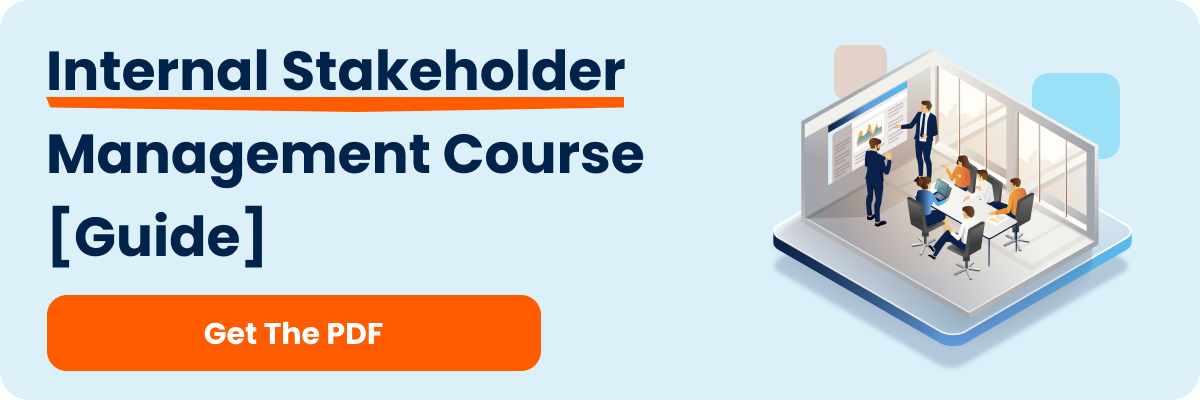
- It consists of four steps, starting with identifying stakeholders, analyzing their goals and influence, planning engagement with clear roles and cadence, and then managing and monitoring to keep alignment.
- Used consistently, it prevents late surprises, speeds decisions, and increases adoption of sourcing outcomes across the business.
What is the Stakeholder Management Cycle?
The stakeholder management cycle is a repeatable process for aligning people around a procurement initiative from start to finish. It replaces ad-hoc coordination with four clear steps: identify, analyze, plan engagement, then manage and monitor. Used consistently, it prevents late surprises, speeds decisions, and improves adoption of outcomes.
Projects often slow down because people are not aligned. Someone is left out, a decision maker is consulted too late, or expectations drift as the work progresses. The stakeholder management cycle gives procurement a structured way to collaborate internally.
Three ideas anchor the cycle. Think of them as baseline behaviors that make every step easier:
- Treat stakeholders as partners. Internal teams are co-creators, not requesters. Co-ownership unlocks insight, innovation, and performance because people help shape solutions they must later adopt.
- Tailor engagement. Culture, personality, and communication preferences shape how messages land. Adapt tone, channel, and timing so the right information reaches the right people at the right moment.
- Balance soft and hard skills. Listening, empathy, and feedback matter as much as negotiation, analytics, and governance. Pairing both builds trust and keeps execution on track.
Together, these principles prevent “process without people” and turn the cycle into a human-centered way of working.
The Four-Step Cycle of Stakeholder Management
1. Identify stakeholders
Begin by building a complete picture of everyone who is affected by the initiative or who can influence success. Do not rely on assumptions.
Speak with colleagues, review similar projects, and confirm who uses the product or service, who controls budget approvals, and who owns technical, quality, regulatory, or data requirements.
The outcome of this step is a comprehensive list of stakeholders with basic context about their connection to the work.
2. Analyze stakeholders
Once you know who is involved, learn what matters to them. Clarify goals, concerns, influence, interest, and preferred ways of working.
A simple stakeholder map or an influence–interest grid helps you see where to focus time and communication.
The objective is to understand what success means for each group, which risks they care about, and how they want to engage, so you can adapt your approach rather than apply a single pattern to everyone.
3. Plan engagement
Turn insights into a practical plan that people can follow. Decide meeting cadence, communication channels, decision rights, and responsibilities with a RACI.
Note key risks and how they will be monitored. Define how issues will be escalated and when approvals are required.
This step converts analysis into an operating rhythm, which reduces rework and sets clear expectations for participation and decision-making.
4. Manage and monitor
Put the plan into action and keep it current. Run check-ins, share progress, gather feedback, and resolve issues with the right people at the right time.
Watch for signs of drift, such as unanswered questions, delayed responses, or unclear ownership. Update roles, cadence, or channels when the situation changes.
Managing and monitoring is a continuous loop that keeps alignment strong from kickoff to close.
Why the Cycle Structure and Principles Matter
Internal collaboration rarely works well without structure. Teams are busy, priorities shift, and misunderstandings are easy. A clear cycle replaces guesswork with a plan that reduces missed expectations, late feedback, and disengaged contributors. With structure, stakeholders know when they are needed, what decisions are pending, and how progress will be reported. That clarity shortens decision time and improves adoption after go-live.
The cycle draws on project management, change management, and stakeholder theory. The shared principles are early involvement, mutual understanding, and adaptive communication. Early involvement surfaces constraints before plans harden. Mutual understanding aligns goals and trade-offs. Adaptive communication matches the channel and detail to each audience so messages are heard and acted on.
Embed the Cycle in Daily Work
Turning the model into muscle memory requires a few lightweight routines:
- Governance. Use simple agendas, decision logs, and action trackers so outcomes are visible and owned. This makes progress demonstrable, not debatable.
- Trust building. Apply the trust equation in practice: show credibility, be reliable, create emotional safety, and keep self-orientation low. Trust is the lubricant of fast decisions.
- Communication craft. Match the channel to the task, summarize decisions and next steps, and always close the loop after collecting input. Closing the loop converts feedback into commitment.
- Change readiness. Expect emotional reactions during change. Acknowledge them, explain why/what/when, and offer clear next moves. This keeps momentum without ignoring concerns.
- Continuous improvement. Use retros to refine cadence, roles, and measures. Each cycle should feel lighter and faster than the last.
When the cycle is applied consistently, cross-functional collaboration strengthens, goals and trade-offs are clearer, misunderstandings and delays decrease, and results are more sustainable after implementation. The cycle builds trust because stakeholders see a predictable way of working and a transparent record of decisions.
Five Actions to Apply Now
Start with one active initiative and make the cycle tangible:
1. Map stakeholders and confirm gaps – Hold two short conversations to validate your list and uncover missing voices.
2. Refresh your power–interest grid – Note each stakeholder’s priorities, risk focus, and preferred communication style so outreach is targeted.
3. Publish a one-page engagement plan – Cadence, channels, RACI, approvals, and escalation—clear and shareable.
4. Run a trust self-check – With a key partner, each side picks one behavior to improve this month; review it in your next check-in.
5. Tighten one recurring meeting – Clarify purpose, trim attendees, and log decisions with owners and due dates.
These small moves compound quickly into faster alignment and fewer surprises.
Quick Self-Check Template
Use this short reflection at milestones or after key meetings. Include it in your toolkit as the Stakeholder Cycle Review.
Conclusion
The stakeholder management cycle turns collaboration into a disciplined process. Identify who matters, analyze what they need, plan how you will work together, then manage and monitor to keep alignment as conditions change. Used consistently, it shortens decision time, reduces rework, and increases adoption after go-live.
Start small, pick one active initiative, map stakeholders, set a simple cadence with clear roles, and review progress weekly. As the habits stick, trust grows and procurement delivers stronger, more sustainable results.
Frequentlyasked questions
What is the stakeholder management cycle in procurement, in simple terms?
It is a repeatable four-step process to align people around an initiative: identify stakeholders, analyze their goals and influence, plan engagement with clear roles and cadence, then manage and monitor to keep alignment.
When should I start the cycle?
Begin during problem framing or business case development, not at RFP. Early use surfaces constraints and success criteria before plans harden.
Who counts as a stakeholder?
Anyone affected by the work or able to influence outcomes. Typical groups include budget owners, end users, Finance, Legal, IT, Quality, Operations, Risk, and data or compliance owners.
About the author
My name is Marijn Overvest, I’m the founder of Procurement Tactics. I have a deep passion for procurement, and I’ve upskilled over 200 procurement teams from all over the world. When I’m not working, I love running and cycling.