


Written by Marijn Overvest | Reviewed by Sjoerd Goedhart | Fact Checked by Ruud Emonds | Our editorial policy
Inventory Clerk — Definition + Career Guide
- An Inventory Clerk is responsible for tracking, organizing, and maintaining accurate records of a company’s stock and supplies.
- An Inventory Clerk receives shipments, conducts inventory counts, and updates inventory management systems to prevent stock discrepancies.
- An Inventory Clerk plays a vital role in supporting warehouse operations, ensuring product availability, and coordinating with logistics and purchasing teams.
What is an Inventory Clerk?
An inventory clerk is a professional responsible for monitoring, tracking, and managing a company’s inventory of goods, materials, or supplies. They maintain accurate records of stock levels, receive and inspect shipments, update inventory databases, and ensure that products are stored correctly.
Inventory clerks also help avoid stockouts or overstocking by coordinating with purchasing, warehouse, and logistics teams. Their common responsibilities include:

Inventory clerks are employed in diverse industries, including retail, manufacturing, e-commerce, pharmaceuticals, distribution centers, and warehouses. They usually work on-site in stockrooms, warehouses, or storerooms, often using barcode scanners, computers, and other inventory tools or systems.
Inventory Clerk Job Description Template
Job Title: Inventory Clerk
Location: [Insert location]
Reports to: [Insert name and title of supervisor]
An inventory clerk is responsible for the inventory in stores, warehouses, and other facilities. They are responsible for managing and keeping track of orders and counting product inventory.
Key Responsibilities:
- Records maintenance and updating of inventory.
- Conducts stock counts of inventory, including materials, equipment, merchandise, or supplies.
- Identifying and reporting inconsistencies between physical counts and digital records.
- Distributing or stocking merchandise as needed.
- Receiving and keeping track of incoming stock.
- Performing additional duties tasked by higher-ups.
- Ensuring that inventory management policies and procedures are upheld.
- Coordinating with suppliers for the management of stocks and deliveries.
- Organizing and maintaining inventory storage areas.
- Helps in the preparation of inventory-related reports.
KPIs for this role
- Inventory Accuracy: Recorded inventory levels should match the actual physical inventory in a warehouse.
- Carrying Cost of Inventory: How much is spent on holding and storing inventory over a certain period.
- Receiving Efficiency: Measures the efficiency of employees in receiving and processing incoming stock.
- Receiving Cycle Time: the average time spent on the processes of receiving stock to storing stock.
- Accuracy Rate: Accurate storing of items on the first attempt.
- Putaway Cycle Time: the average amount of time that an item is stored in inventory.
- Total Order Cycle Time: Average time it takes from order placement to shipment.
- On-time Shipping Rate: the percentage of orders shipped within their expected timeframe.
Key Skills and Qualifications:
- High school diploma or equivalent.
- A year of preferred work experience, but this is not required.
- Previous experience in the industry is advantageous.
- Strong mathematical and analytical aptitudes are advantageous
- Exceptional communication and interpersonal skills.
- Organizational skills to keep everything neat and thorough.
Inventory Clerk Detailed Responsibilities & Tasks
- Records maintenance and updating of inventory.
- Conducts stock counts of inventory, including materials, equipment, merchandise, or supplies.
- Identifying and reporting inconsistencies between physical counts and digital records.
- Distributing or stocking merchandise as needed.
- Receiving and keeping track of incoming stock.
- Performing additional duties tasked by higher-ups.
- Ensuring that inventory management policies and procedures are upheld.
- Coordinating with suppliers for the management of stocks and deliveries.
- Organizing and maintaining inventory storage areas.
- Helps in the preparation of inventory-related reports.
Inventory Clerk Detailed Skills Description
- Communication: Inventory clerks need strong communication skills for effective interaction with team members, vendors, and other departments.
- Inventory Control: Inventory clerks need to track inventory movements with accuracy and implement control measures to prevent losses or overstocking.
- Attention to Detail: Attention to detail helps in maintaining record accuracy and preventing costly errors.
- Computer Competency: Proficiency in inventory management software and spreadsheet applications.
- Mathematics: Clerks must be comfortable with basic math as well as more complex calculations concerning inventory management.
- Organizational Skills: Organizing inventory and things to do with inventory, like labels, documents, supplier data, etc.
- Time Management: Tasks should be completed efficiently and on time, and various projects should be juggled with proficiency and priority tasks in mind.
- Customer Service: Customer service skills are needed for inquiries, providing assistance, and maintaining positive supplier relationships.
Inventory Clerk KPIs for this role
- Inventory Accuracy: Recorded inventory levels should match the actual physical inventory in a warehouse.
- Carrying Cost of Inventory: How much is spent on holding and storing inventory over a certain period.
- Receiving Efficiency: Measures the efficiency of employees in receiving and processing incoming stock.
- Receiving Cycle Time: the average time spent on the processes of receiving stock to storing stock.
- Accuracy Rate: Accurate storing of items on the first attempt.
- Putaway Cycle Time: the average amount of time that an item is stored in inventory.
- Total Order Cycle Time: Average time it takes from order placement to shipment.
- On-time Shipping Rate: the percentage of orders shipped within their expected timeframe.
Salary of an Inventory Clerk
The salary of an inventory clerk varies based on several factors such as geographic location, work experience, industry, company size, and level of responsibility.
According to PayScale, the average annual salary for an inventory clerk is around USD 36,000, with a pay range typically between USD 28,000 and USD 48,000. This includes both entry-level and experienced professionals.
On the other hand, Glassdoor reports that the average base salary for inventory clerks is approximately USD 37,500 to USD 53,000 per year. Entry-level positions may start at around USD 30,000, while experienced clerks can earn up to USD 45,000 or more, depending on the role and location.
For more senior or specialized positions, such as an Inventory Control Clerk III, Salary.com states they earn approximately USD 49,297 annually, with salaries typically ranging between USD 45,000 and USD 54,000.
In addition to the base salary, inventory clerks may receive overtime pay, shift differentials, bonuses, or performance incentives, health and retirement benefits, which can significantly enhance the overall compensation package for this position.
How to Become an Inventory Clerk?
Becoming an inventory clerk doesn’t necessarily require a university degree. However, having the right combination of skills, experience, and training is essential to achieve long-term success in the field. Below are the steps you need to take if you want to pursue this career:
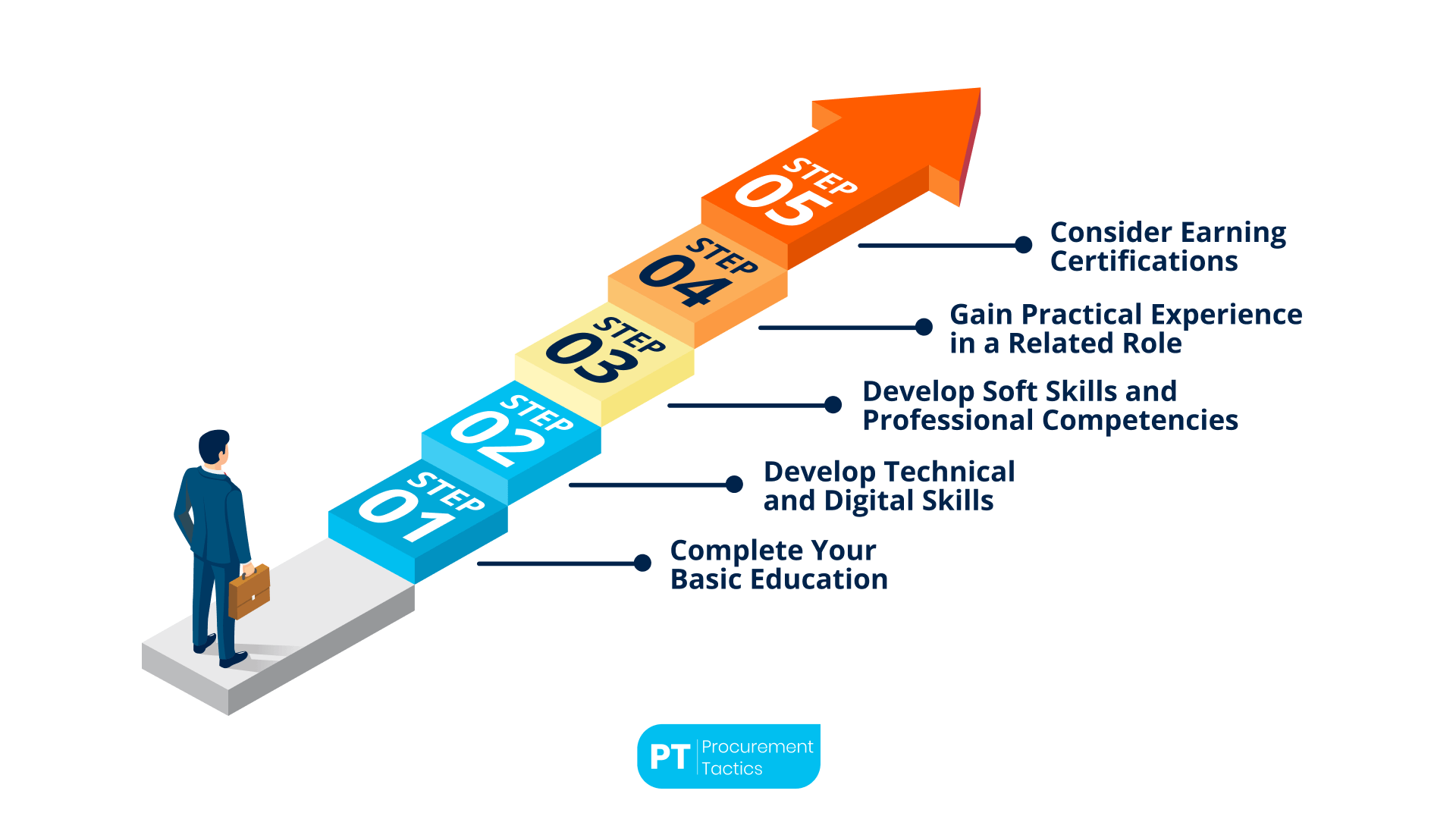
1. Complete Your Basic Education
The first step to becoming an inventory clerk is obtaining a high school diploma or GED. Even though becoming an inventory clerk doesn’t typically require a university degree, most employers are looking for candidates who possess foundational skills needed for the role, such as basic arithmetic, reading comprehension, written communication, and computer literacy.
Courses in business, computer applications, or mathematics during high school can be particularly helpful. For individuals looking to stand out, taking vocational classes or short-term certificate programs in logistics or warehouse operations can be beneficial, though they are not mandatory.
2. Develop Technical and Digital Skills
Modern inventory management relies heavily on digital systems. Aspiring inventory clerks must develop strong technical skills to efficiently work with various inventory tools and software, including:
- Spreadsheet Tools – Learning how to use Microsoft Excel or Google Sheets is crucial for organizing data, performing calculations, and managing inventory logs.
- Inventory Management Software – Proficiency in systems like SAP, Oracle, NetSuite, or QuickBooks is highly valuable, as these are commonly used in inventory operations.
- Barcode Scanners and RF Devices – Understanding how to use barcode scanners, handheld devices, and RF (radio frequency) systems is essential for real-time inventory tracking.
These tools can be learned through online tutorials, community college courses, or on-the-job training. Having a basic understanding or skills before applying for this position can strengthen your candidacy.
3. Develop Soft Skills and Professional Competencies
While technical knowledge is important, soft skills are equally critical to succeed in this role. Inventory clerks are expected to be dependable, detail-oriented, and capable of working independently as well as within the team. The relevant soft skills you should learn are:
- Attention to detail – Inventory management requires precision. Whether counting items, checking stock levels, or entering data into a system, attention to detail is crucial to avoid discrepancies and ensure smooth inventory operations.
- Time Management – Deadlines are a regular part of an inventory clerk’s life, especially during stock counts, deliveries, or audits. With so much going on, knowing how to balance everything and use time wisely helps keep things under control, even when the pressure’s on.
- Communication – As an inventory clerk, you coordinate with warehouse workers, supervisors, procurement teams, vendors, and customers. Effective communication is essential to clearly share information, ask for clarification, and listen carefully to avoid misunderstandings.
- Organizational Skills – Effective inventory management requires a well-organized approach. This means keeping shelves and storage areas neat, managing paperwork properly, and maintaining digital records in an orderly way. Staying organized makes it easier to find items, track stock levels, and complete tasks efficiently.
- Problem-solving – In inventory management, you may face issues like missing stock, system errors, or delivery delays. Being able to identify these problems, understand their causes, and develop a solution is crucial to keeping inventory operations running smoothly.
4. Gain Practical Experience in a Related Role
Although inventory clerk is an entry-level position, having some hands-on experience can significantly boost your chances of getting hired.
Most companies recommend that candidates have between one to five years of experience working in a stockroom, warehouse, or other inventory-related roles. However, applicants with higher education or relevant certifications may qualify for positions even with less experience. Common roles that provide valuable exposure include:
- Warehouse Assistant
- Stockroom Assistant
- Shipping and Receiving Associate
- Retail Stock Associate
- Materials Handler
These positions help you understand how goods are received, stored, tracked, and moved within a facility, while also familiarizing you with inventory software, safety protocols, and common issues like stock discrepancies or mislabeling.
Employers often promote reliable and detail-oriented workers from these roles into dedicated inventory clerk positions. On-the-job training will introduce you to the company’s inventory software, standard operating procedures, and reporting methods.
5. Consider Earning Certifications
Professional certifications are not required to take, but can significantly boost your resume and open doors to higher-level roles or better pay. Like what we mentioned above, companies may consider accepting you for the role without or with less experience as long as you have relevant certifications.
Relevant certifications include:
- Certified in Production and Inventory Management (CPIM) – Offered by APICS, this certification focuses on inventory control, production planning, and demand forecasting.
- Certified Logistics Associate (CLA) – Provided by the Manufacturing Skill Standards Council (MSSC), this certificate validates knowledge of logistics and supply chain fundamentals.
- Warehouse Management Certifications – Offered by institutions such as the International Warehouse Logistics Association (IWLA) or similar training providers.
These certifications are especially valuable for clerks who wish to advance into inventory analyst, supply chain coordinator, or warehouse supervisor roles. A lot of programs are flexible and can be completed online while working full-time.

How to Find an Inventory Clerk Job?
Once you have built a solid foundation, you can begin applying for an inventory clerk position. Here are the most effective methods:
1. Use Online Job Boards
Start by searching on major job listing websites such as
- Indeed: A widely used job search site that features a large number of inventory clerk listings from companies of all sizes. The platform lets you filter results based on your preferred location, salary range, and job type to quickly find roles that match your goals.
- LinkedIn: A leading platform for professional networking and job searching, LinkedIn allows you to view job listings, connect with hiring managers, and stay updated on industry trends. Building a strong profile also helps attract recruiters.
- Glassdoor: Provides company reviews, salary ranges, and interview insights shared by employees, useful for evaluating potential employers before applying for inventory clerk roles.
- ZipRecruiter: This AI-driven job platform matches your profile to relevant inventory clerk jobs and sends your application to multiple employers, increasing your exposure with less effort.
Tip:
- Search using terms like Inventory Clerk, Stockroom Clerk, or Inventory Associate.
- Use filters to narrow down results by location, salary, and experience level.
2. Apply Directly on Company Websites
Many companies—especially in retail, manufacturing, logistics, and e-commerce—list job openings directly on their websites. Visit the careers section of the companies you’d like to work for and set up job alerts if possible.
Target employers in industries with large inventories, such as:
- Supermarkets and retail chains like Walmart, Costco, Target, Kroger, and Best Buy
- E-commerce companies such as Amazon, eBay, Wayfair, Chewy, and ASOS
- Logistics providers (e.g., FedEx, UPS, and DHL)
- Healthcare and pharmaceutical firms, including Pfizer, CVS Health, McKesson, Cardinal Health, and Kaiser Permanente
- Automotive manufacturers like Ford, Toyota, General Motors (GM), Honda, and Tesla
Tip:
- Check their listings regularly
- Set up job or email alerts to get notified as soon as there are new listings.
- Apply directly to speed up the hiring process
3. Register with Staffing or Recruitment Agencies
Recruitment and staffing agencies can help match you with suitable inventory clerk positions. These agencies often have relationships with companies that need temporary or full-time staff in warehousing, logistics, or supply chain roles. Examples of agencies include:
- Randstad – One of the largest staffing agencies in the world. It helps job seekers find temporary, contract, and permanent positions in various industries, including logistics, warehousing, and manufacturing. They often have listings for inventory clerk and warehouse roles. You can apply online or visit a local Randstad office.
- Aerotek – Specializes in industrial staffing and works closely with companies in the manufacturing, logistics, and distribution sectors. They frequently recruit for inventory clerks, material handlers, and warehouse associates. Aerotek places a strong emphasis on matching candidates with positions that fit their skills and experience.
- Manpower – A global staffing agency that connects people to jobs in administrative, industrial, and technical fields. They often have openings for inventory clerks, especially in large distribution centers and production facilities. Manpower also offers job training and career development resources to help improve your qualifications.
- Adecco – Another major staffing firm that provides workforce solutions in many industries, including logistics and supply chain. They regularly post job openings for inventory clerks, shipping/receiving staff, and other warehouse roles. Adecco offers both short-term and long-term job opportunities, and they provide support throughout the hiring process.
When registering with a recruitment agency, be prepared to:
- Submit a resume
- Take skill assessments
- Attend a short interview or orientation
Agencies can also help you get hired quickly, especially for seasonal or high-demand roles.
4. Use Your Network
Reach out to friends, family, or former coworkers who are employed in warehouses or logistics. Let them know you’re looking for an inventory position and ask if their company is hiring or if they can provide a referral. Referrals often help your application get noticed faster by hiring managers.
Additionally, you can attend industry events, job fairs, or trade shows to meet potential employers and learn more about what they look for in a candidate.
5. Tailor Your Resume to the Role
A well-crafted resume can set you apart from other applicants. Be sure to highlight your experience with inventory software, stock control, receiving shipments, and maintaining accurate records.
Emphasize skills such as attention to detail, time management, and familiarity with tools like barcode scanners or Excel. Include certifications and training programs.
Use keywords from job listings to improve your chances of getting past automated screening systems. Keep your resume clean, focused, and no longer than one page if you have limited experience.
Difference between an Inventory Clerk and a Warehouse Clerk
In supply chain and logistics operations, both inventory clerks and warehouse clerks play an essential role in ensuring the smooth flow of goods and materials. While their responsibilities often overlap, their core functions, tools used, and areas of focus are quite distinct.
The table below outlines the key differences between these two roles to help clarify their functions within an organization.
Conclusion
Pursuing a career as an inventory clerk is a solid step into the logistics, supply chain, or warehouse management field. With responsibilities that keep operations organized and efficient, this role is vital to any business that handles physical goods.
Whether you’re just starting or looking to shift careers, becoming an inventory clerk offers valuable hands-on experience, opportunities for growth, and a stable path in a wide range of industries.
By understanding the skills required, tools used, and job expectations, you’ll be well-equipped to take the first step toward this career. With the right preparation and a keen eye for detail, you can build a rewarding role in inventory management that opens doors to higher-level positions.
Now that you’ve finished reading the article, I want to share with you that we’ve turned everything you need to learn about becoming an inventory clerk into a free downloadable PDF.
Frequentlyasked questions
What is an Inventory Clerk?
An Inventory Clerk is a professional responsible for monitoring, tracking, and managing a company’s inventory of goods, materials, or supplies.
What are the key responsibilities of an Inventory Clerk?
The key responsibilities of an Inventory Clerk include receiving and recording new stock, conducting regular stock audits or cycle counts, updating inventory databases, notifying supervisors of low or excess stock, ensuring inventory is stored properly, and coordinating with purchasing and warehouse staff.
How to become an Inventory Clerk?
To become an Inventory Clerk, you need to have at least a high school diploma and develop the necessary technical and soft skills relevant to inventory management. Gaining hands-on experience and earning certifications related to roles can further boost your qualifications and career growth potential.
About the author
My name is Marijn Overvest, I’m the founder of Procurement Tactics. I have a deep passion for procurement, and I’ve upskilled over 200 procurement teams from all over the world. When I’m not working, I love running and cycling.

Procurement Roles Overview
Click on a role to learn more